
Academic Activity
The academic activity of Dr George Mireas brings together university teaching, postgraduate surgeon education, international faculty participation, hands-on surgical training, scientific publication and documented technical innovation into one structured academic profile.
Within georgemireas.com, this section functions as the parent academic hub connecting four core dimensions of the wider academic structure: education, surgical training, publications and surgical innovation.
This broader academic direction is also progressively being structured within an institutional framework connected with the Hellenic Institute of Facial Plastic Surgery (HIFPS), supporting the long-term development of cadaveric education, advanced rhinoplasty training, fellowship-level pathways and innovation-oriented academic visibility.
Overview
The academic profile of Dr George Mireas extends beyond clinical work and reflects a broader involvement in university teaching, postgraduate surgeon education, international scientific exchange, published academic contribution and innovation-oriented surgical development.
In rhinoplasty, facial plastic surgery and rhinology, academic authority is built through multiple interconnected channels: institutional appointments, structured education, hands-on surgical training, congress teaching, professional society participation, scientific publications and original technical contribution.
This page organizes those areas into a clear parent structure, helping readers understand how teaching, training, scientific work and innovation function together within the wider academic identity of Dr George Mireas and within the broader authority ecosystem of the site.
Academic Structure at a Glance
The academic section is built around four complementary layers. Together they show how teaching, practical surgical education, scientific publication and technical innovation support a unified academic presence in rhinoplasty and facial plastic surgery.
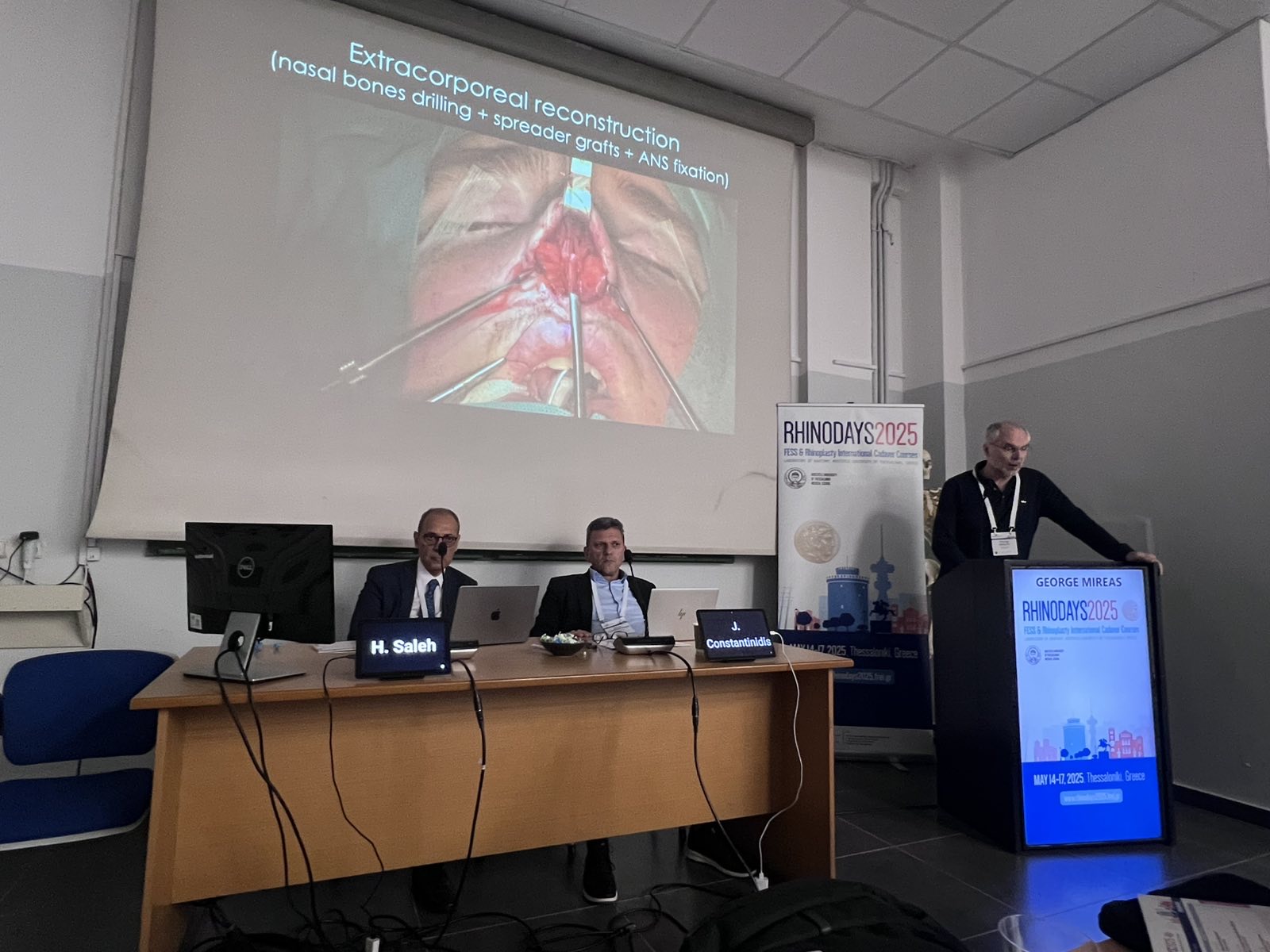
University teaching, faculty roles, invited lectures and society-based academic activity.
Cadaver courses, rhinoplasty masterclass pathways and structured fellowship development.
Peer-reviewed literature and scientific contribution supporting education and clinical evolution.
Original instruments, patent-based work and peer-reviewed technical development.
Core Academic Areas
Education
The Education section presents the academic teaching framework connected with university activity, invited lectures, congress faculty roles and professional society participation.
It functions as the central academic teaching layer of the site and connects formal academic appointment with wider international educational activity.
Surgical Training
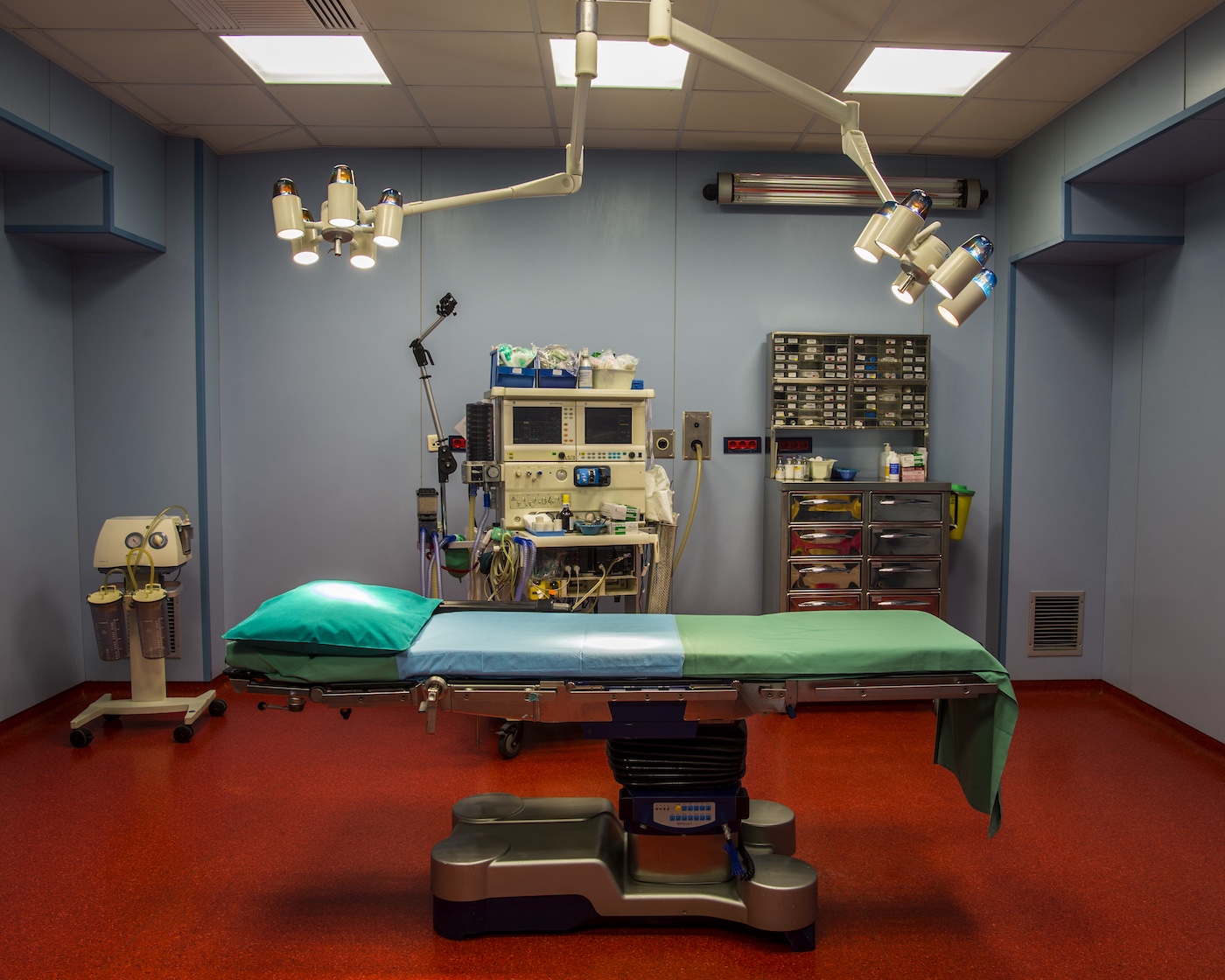
The Surgical Training section presents the practical training pathways of the site, including cadaveric education, masterclass-level rhinoplasty training and structured fellowship development.
It represents the hands-on educational dimension of the academic profile and translates teaching activity into anatomy-based and procedure-focused surgical learning.
Publications
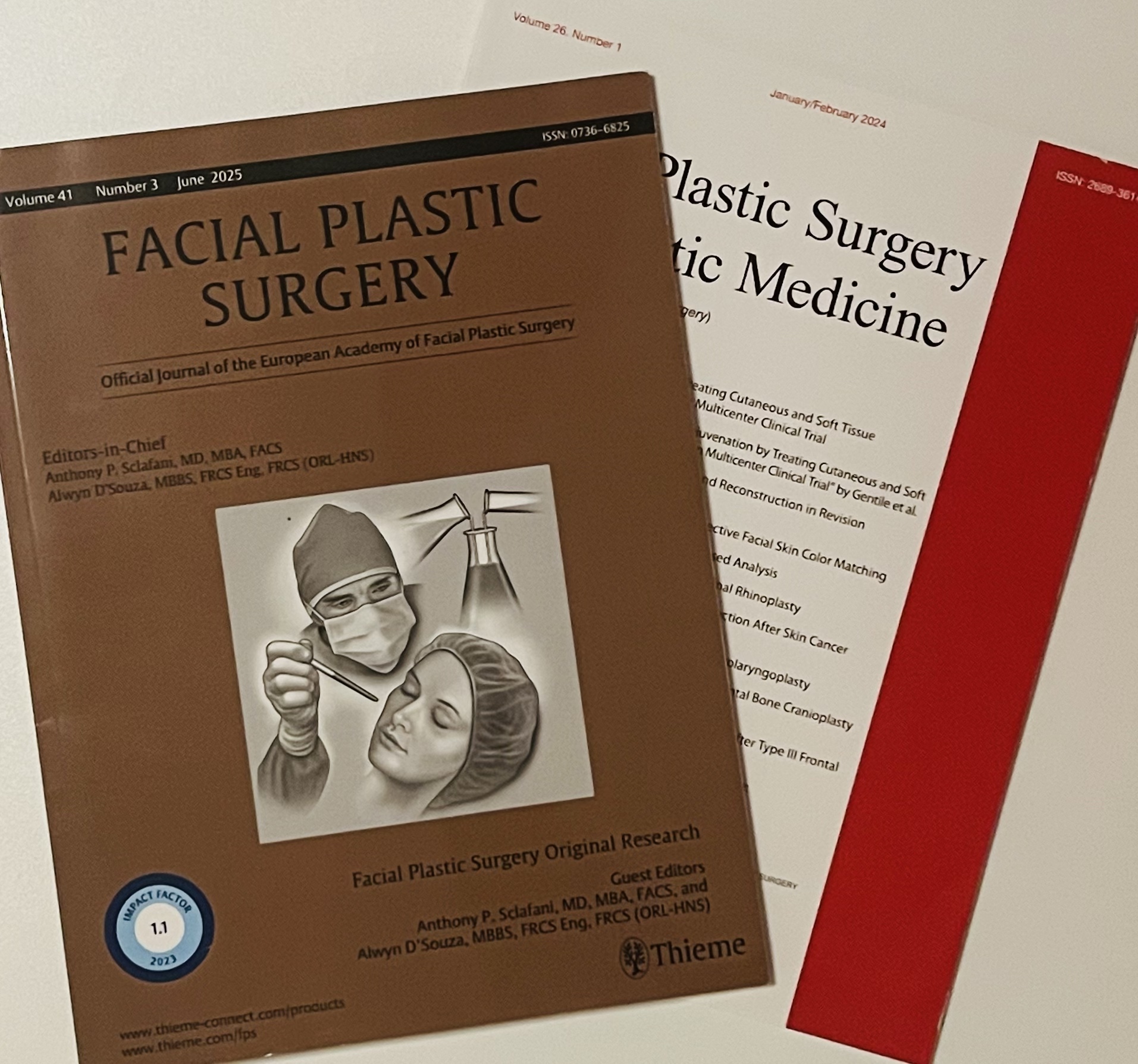
The Publications section presents selected peer-reviewed publications and scientific contributions in rhinoplasty, rhinology and facial plastic surgery.
It represents the published scholarly layer of the academic profile and complements the teaching and training activity presented elsewhere in the academic section.
Surgical Innovation
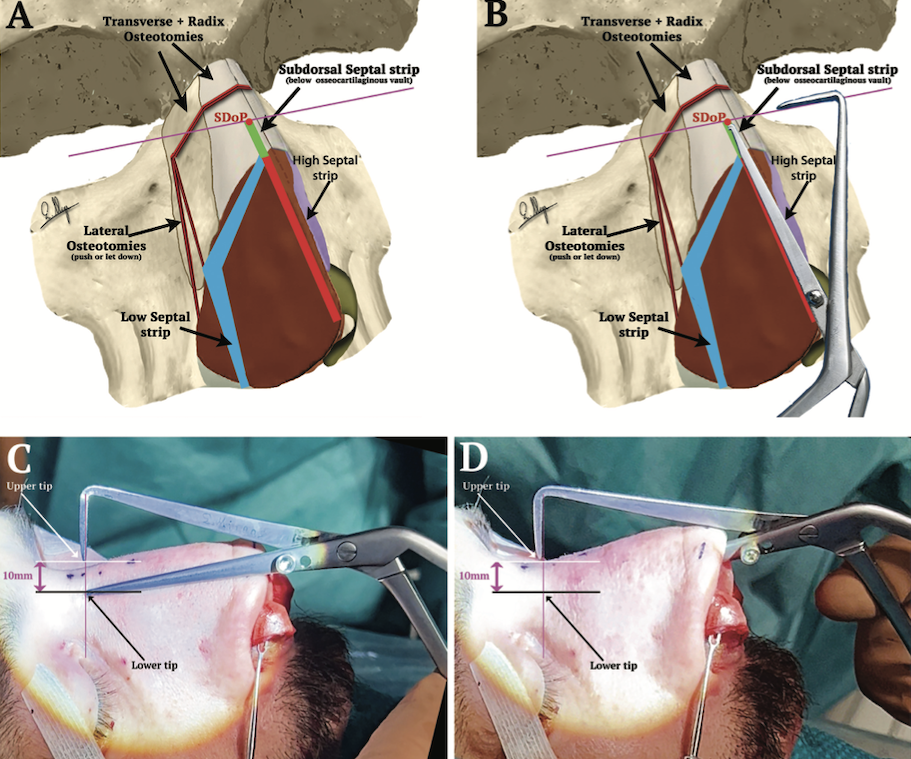
The Surgical Innovation section presents original instrument development, peer-reviewed technical contribution and patent-based device work connected with rhinoplasty and airway management.
It represents the innovation-oriented layer of the academic profile and shows how surgical ideas can be translated into documented tools, published concepts and clinical workflow solutions.
How These Academic Areas Connect
The four academic sections are closely interconnected. Education provides the broader academic teaching structure. Surgical Training translates that framework into practical, anatomy-based and procedure-oriented learning. Publications document the scientific contribution that supports and complements both teaching and clinical development. Surgical Innovation adds the layer of original technical contribution, linking instrument design and innovation to both publication and surgical thinking.
This interconnected model is especially important in rhinoplasty and facial plastic surgery, where academic value depends on continuity between institutional roles, surgical education, international collaboration, published scientific work and innovation-oriented technical development.
Read together, these sections create a layered academic architecture that strengthens the authority of georgemireas.com in rhinoplasty, facial plastic surgery and postgraduate surgeon education.
Academic Structure, Clinical Integration and Future Direction
The academic section of georgemireas.com is designed not as a simple collection of credentials, but as a structured authority layer documenting how institutional roles, educational pathways, advanced surgical teaching, scientific publications and innovation-oriented contribution function together.
This matters particularly in fields such as rhinoplasty and facial plastic surgery, where academic authority is built not only through titles or publications, but through the continuity between teaching, practical training, faculty participation, ongoing scientific contribution and documented technical development.
This integrated approach also supports the wider clinical profile of the site, especially within both the rhinoplasty and facial plastic surgery sections, where academic thinking, surgical judgement, innovation and procedural execution meet most directly.
At the same time, this broader academic direction is gradually being supported within an institutional framework connected with the Hellenic Institute of Facial Plastic Surgery (HIFPS), helping create longer-term continuity between current person-centered academic activity and future educational development.
Academic Pathways
Patent-based surgical device contribution in airway management.
Related Pages
Contact
For academic communication, scientific collaboration, teaching invitations or postgraduate training inquiries, please use the contact page.
Go to Contact Page