
Academic Education & Teaching Activity
This section presents the academic education and teaching activity of Dr George Mireas, bringing together university appointment, institutional academic roles, invited lectures and international faculty participation within a broader educational framework, while also including selected initiatives connected with the Hellenic Institute of Facial Plastic Surgery (HIFPS).
Its purpose is to show how academic teaching, scientific exchange and surgeon education function together beyond day-to-day clinical practice, while remaining closely connected with the wider academic structure of the site, the more practical surgical training environment and the documented scientific layer presented in publications.
In strategic terms, this page represents the non-operative educational layer of the academic profile: formal teaching, educational leadership, invited speaking, faculty-based contribution and institutional academic presence.
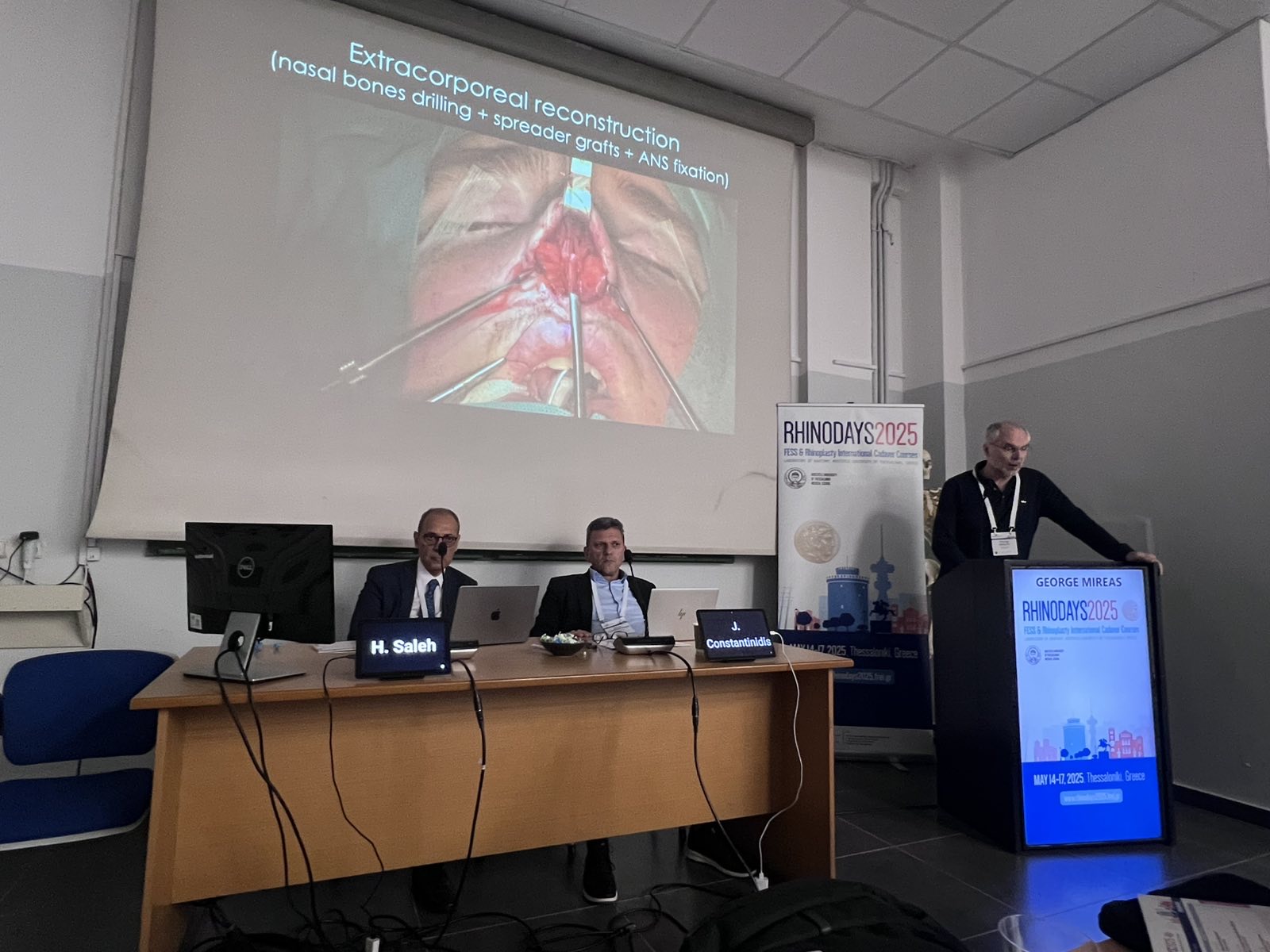
Educational Overview
Academic teaching is a central part of Dr George Mireas’ broader professional and academic identity. It reflects ongoing involvement in surgeon education through university affiliation, invited participation in scientific meetings, educational collaboration and structured contribution to the international exchange of knowledge.
Within rhinoplasty and facial plastic surgery, educational authority is not built only through titles, but through continuity between institutional appointment, invited teaching, congress faculty contribution and the ability to connect theory with clinical and surgical judgement.
This page therefore functions as the parent hub for the teaching-focused side of the academic profile, connecting the European University Cyprus appointment, institutional roles, invited lectures, international congress faculty roles, publications and the related surgical innovation layer across the site.
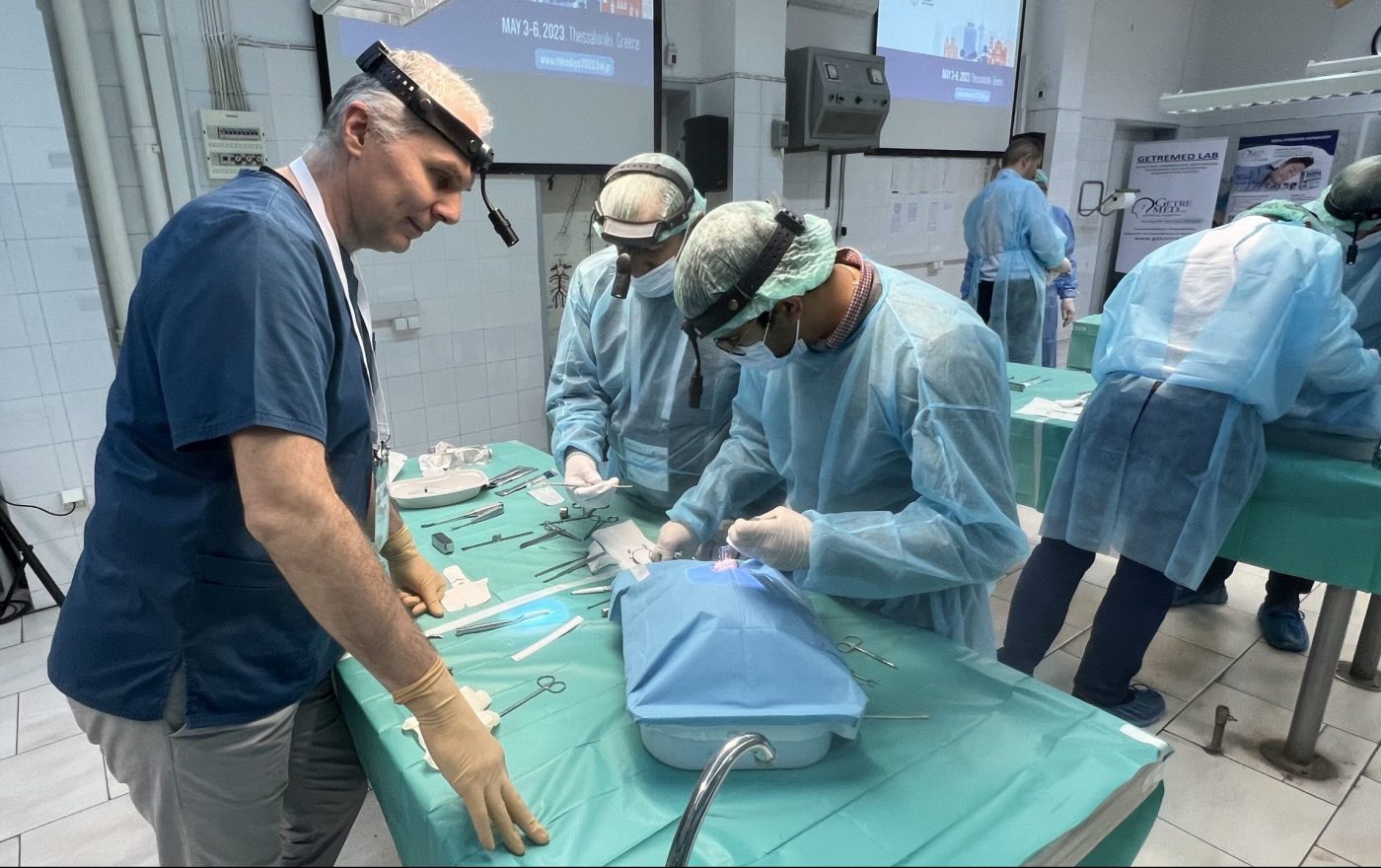
What This Section Covers
The Education section is intended to present the non-operative educational and academic teaching activity of the site. It includes:
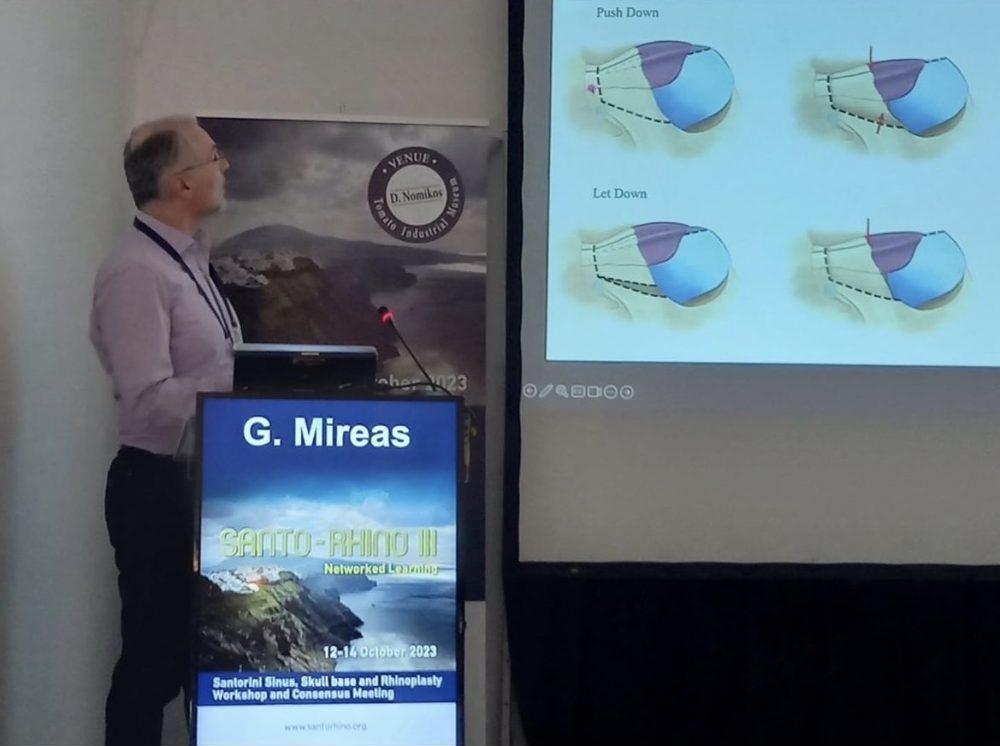
Educational Direction
The educational direction presented on this site is based on structure, clarity and continuity. The aim is not simply to document academic titles, but to show how teaching activity contributes to a wider culture of surgeon education, scientific discussion and responsible transmission of knowledge.
In rhinoplasty and facial plastic surgery, this means connecting formal academic roles with invited educational participation, faculty activity and broader training pathways, while maintaining a clear distinction between academic teaching on the one hand and hands-on surgical training on the other.
Main Education Pillars
Clinical Associate Professor – European University Cyprus
The formal university appointment anchors the academic identity of this section and connects teaching activity with institutional academic recognition and broader educational credibility.
Institutional Roles
Institutional roles provide the organizational and academic context within which teaching, faculty participation and educational leadership develop over time.
Invited Lectures
Invited lectures reflect external academic trust and the recognition to contribute educationally within congresses, meetings and scientific forums.
International Congress Faculty Roles
Faculty participation demonstrates a broader educational role within international scientific activity and reinforces the continuity between teaching, recognition and surgeon education.
Professional Society Memberships
Scientific society participation supports academic representation, international visibility and the broader professional context in which teaching activity develops.
Surgical Innovation
Original instruments, peer-reviewed technical development and patent-based contribution extend the academic profile of the site beyond teaching alone and strengthen the broader authority structure in rhinoplasty and facial plastic surgery.
Relation to Surgical Training
Although this page belongs to the broader academic structure, it should be read together with the Surgical Training section rather than confused with it. The present hub focuses on educational identity, teaching roles and academic contribution, while the practical hands-on dimension is presented separately through cadaver courses, masterclass pathways and fellowship-related training.
This distinction is important because it helps clarify how academic authority is expressed both through teaching and through structured practical surgeon education.
Relation to Publications and Innovation
Academic education is strengthened when it is supported by visible scientific output and documented technical contribution. For that reason, this hub should also be read together with the site’s Publications and Surgical Innovation sections.
Together, these sections show how teaching activity, research visibility and innovation-oriented surgical thinking function as connected layers of the broader academic profile.
Connection with Clinical Practice
Teaching activity is not isolated from surgical practice. In rhinoplasty and facial plastic surgery, meaningful education depends on the ability to connect academic instruction with real operative judgement, patient-centered planning and contemporary surgical technique.
For that reason, this educational hub also strengthens the wider clinical profile of the site, particularly within both the rhinoplasty and facial plastic surgery sections, where academic thinking, surgical execution and innovation-based technical development meet most directly.
Related Pages
Contact
For academic collaboration, teaching invitations, faculty participation, lecture requests or education-related communication, you may use the contact page to get in touch.
Contact Page