
Surgical Practice
Surgical practice on georgemireas.com is organized around two main fields: rhinoplasty and facial plastic surgery, including both functional nasal surgery and aesthetic facial procedures. Each case is approached through diagnosis, structural analysis and individualized planning rather than through a fixed or standardized technique.
The aim is not only aesthetic improvement, but functional stability, anatomical consistency and long-term surgical reliability.
Surgery as a Structured Discipline
Surgery in this context is not defined by isolated procedures, but by a structured clinical approach. Diagnosis, anatomical understanding, surgical planning and execution form a continuous process that determines the final outcome.
Whether the case involves rhinoplasty or broader facial plastic surgery, the same principles apply: careful evaluation, individualized strategy and respect for both function and form.
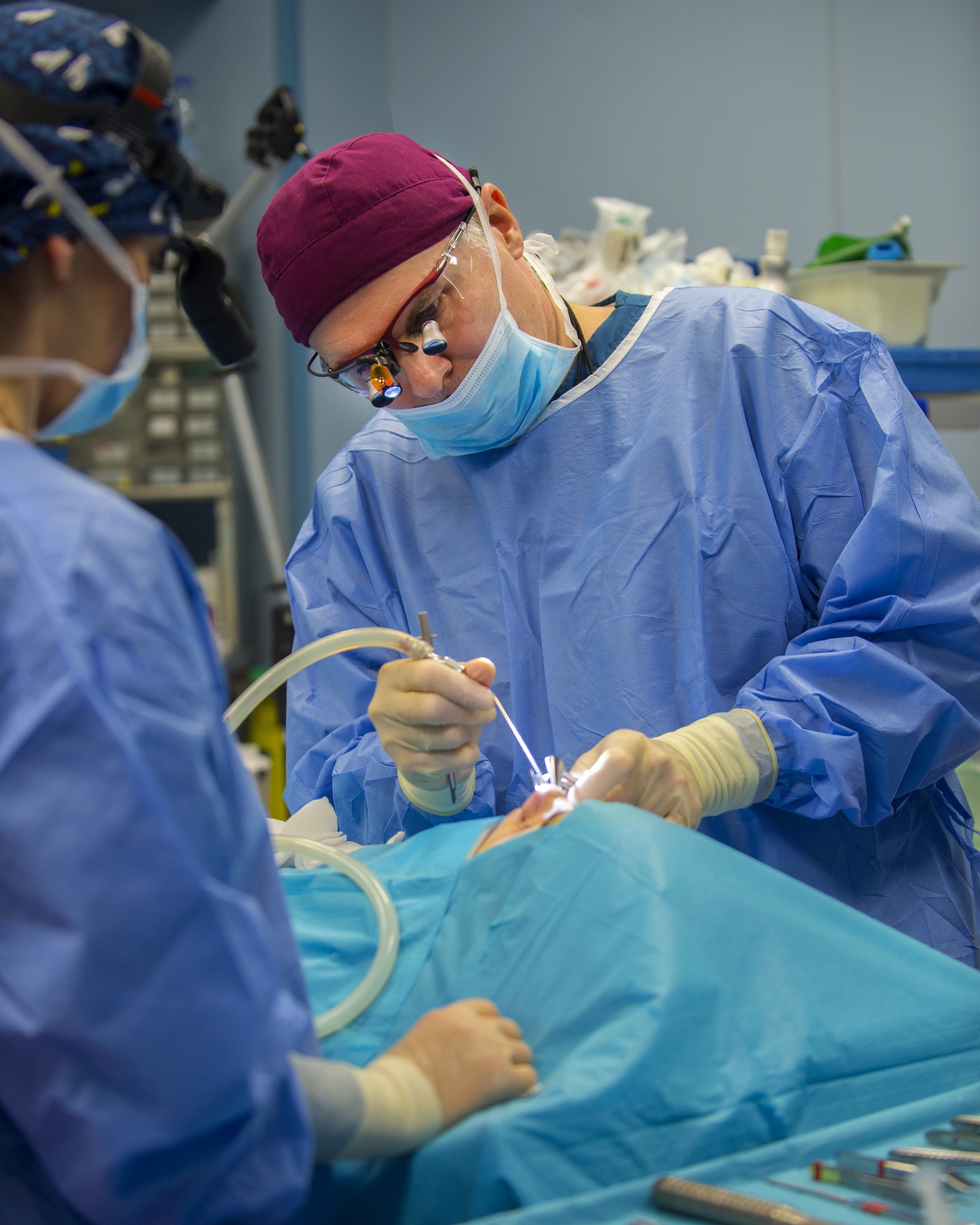
Scope of Facial Plastic and Nasal Surgery
Surgical practice in this field includes a wide range of procedures addressing both functional and aesthetic concerns of the face and nose. These may involve nasal surgery, facial rejuvenation, structural correction and combination procedures tailored to the individual patient.
- rhinoplasty (primary, revision and functional cases)
- facial plastic surgery procedures such as facelift
- structural correction of deformities and asymmetries
- functional airway surgery and nasal support techniques
- combined aesthetic and reconstructive procedures
The exact surgical plan depends on anatomy, diagnosis and long-term functional and aesthetic goals rather than on a predefined technique.
Main Surgical Fields
Rhinoplasty
Rhinoplasty includes primary, revision and functionally oriented nasal surgery. It requires integration of structural support, airway function and facial proportion.
Explore RhinoplastyFacial Plastic Surgery
Facial plastic surgery includes procedures such as facelift aimed at restoring structure, balance and natural appearance.
Explore Facial Plastic SurgeryCore Surgical Principles
- Functional preservation and improvement
- Structural stability and long-term support
- Individualized surgical planning
- Respect for anatomy and tissue characteristics
- Realistic and responsible expectations
Surgical Practice Within a Wider Institutional Direction
The surgical work presented on georgemireas.com is aligned with a broader long-term institutional direction connected with the Hellenic Institute of Facial Plastic Surgery (HIFPS).
This reflects a broader view of surgery as a field that combines clinical work, education and long-term responsibility.