
Surgical Training
The surgical training activity of Dr George Mireas includes cadaveric dissection, advanced rhinoplasty education, masterclass-level teaching and structured postgraduate pathways designed for surgeons seeking higher-level practical learning.
Within georgemireas.com, this section functions as the parent practical training hub connecting the main hands-on training areas of the site: cadaver courses, the European Rhinoplasty Masterclass and the facial plastic surgery fellowship.
This broader training direction is also progressively being structured within an institutional framework connected with the Hellenic Institute of Facial Plastic Surgery (HIFPS), supporting the long-term development of cadaveric education, advanced rhinoplasty training and fellowship-level academic pathways.
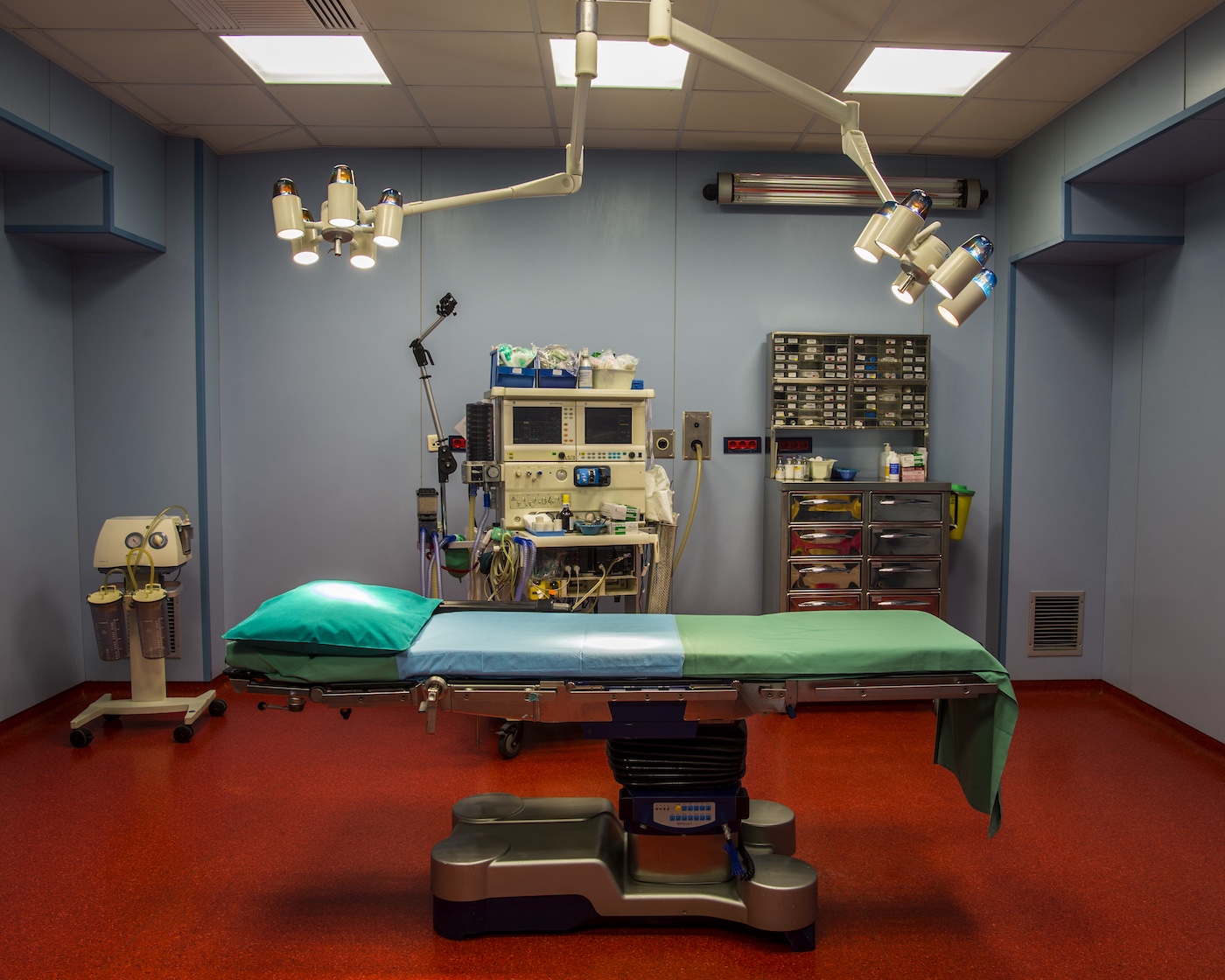
Overview
Surgical training represents the hands-on educational dimension of the broader academic profile of Dr George Mireas. It connects anatomy-based learning, cadaveric dissection, advanced procedural analysis and structured practical teaching in rhinoplasty and facial plastic surgery.
In contemporary rhinoplasty education, practical training must be organized around more than technical exposure alone. It requires educational continuity between anatomical understanding, surgical planning, faculty-led teaching, live discussion and progressive clinical responsibility.
This page organizes the main practical training pathways of the site into a clear parent structure, helping both readers and search systems understand how cadaver courses, masterclass teaching and longer fellowship development fit within the wider academic activity of georgemireas.com.
Surgical Training Structure at a Glance
The surgical training section is built around three complementary layers. Together they represent a progressive model of practical learning in rhinoplasty and facial plastic surgery.
Dissection-based anatomy education and practical surgical workshops.
Advanced structured teaching in modern rhinoplasty with high-level practical orientation.
Longer-term immersive training pathway connected with facial plastic surgery education.
Core Surgical Training Areas
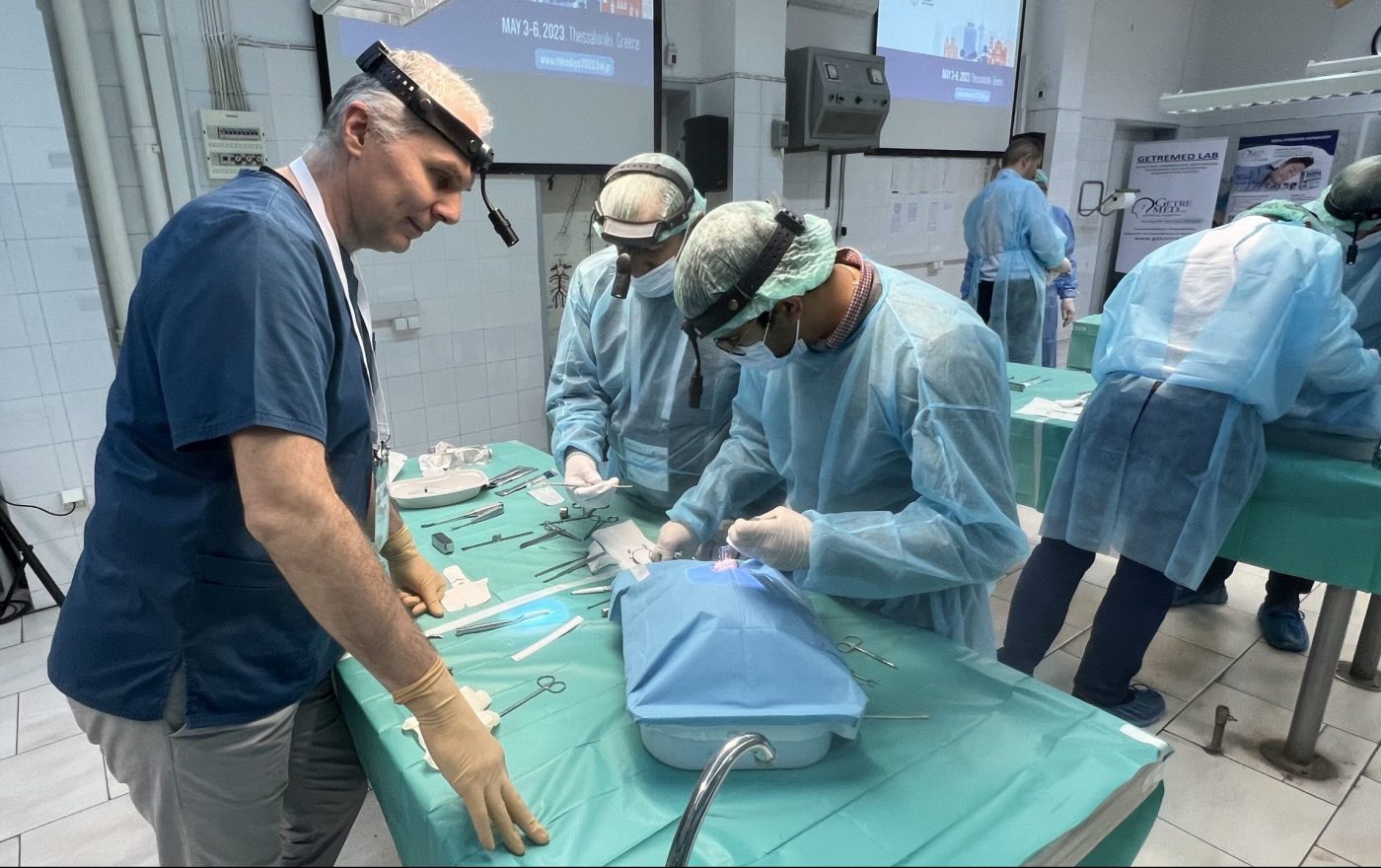
Cadaver Courses
The cadaver courses section presents anatomy-based hands-on surgical education through dissection, faculty-guided workshops and structured practical training environments.
It represents a fundamental layer of practical rhinoplasty and facial plastic surgery training where anatomy, technique and operative planning are taught in a direct educational setting.
Why it matters: cadaveric training provides a high-value bridge between theoretical teaching and real operative practice, strengthening anatomical confidence and technical understanding.
European Rhinoplasty Masterclass
The European Rhinoplasty Masterclass represents an advanced rhinoplasty education pathway connected with high-level faculty teaching, case discussion, anatomy-based analysis and structured surgical exposure.
It functions as one of the strongest practical training components of the site, connecting international academic standards with focused surgeon education in modern rhinoplasty.
Why it matters: masterclass-level education demonstrates a higher degree of specialization and academic positioning, reinforcing both expertise and international teaching relevance.
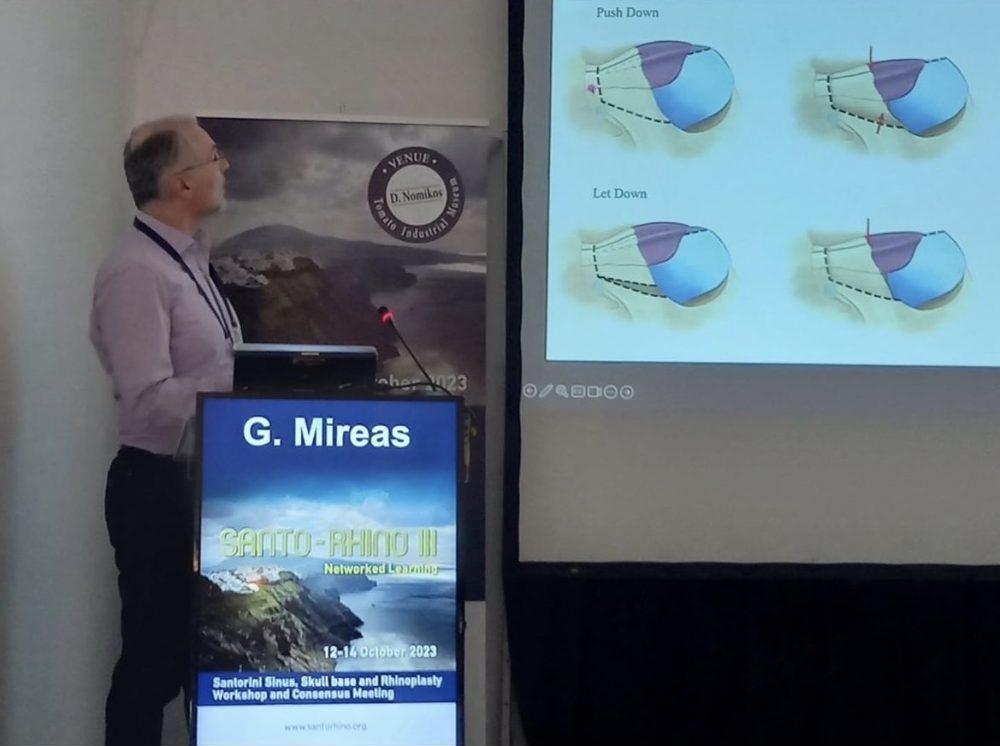
Facial Plastic Surgery Fellowship
The fellowship section presents a longer-term, more immersive educational pathway connected with advanced facial plastic surgery and rhinoplasty training.
It reflects a broader postgraduate structure in which observation, practical education, case exposure and advanced academic development can be organized over time.
Why it matters: fellowship-level training represents continuity, depth and institutional maturity, reinforcing the long-term academic seriousness of the surgical training environment.
How These Surgical Training Areas Connect
The three core practical training sections are closely interconnected. Cadaver Courses provide anatomy-based hands-on education. The European Rhinoplasty Masterclass organizes higher-level teaching in a focused rhinoplasty framework. The Fellowship Program extends that educational model into a more continuous postgraduate pathway.
This layered structure is especially relevant in rhinoplasty and facial plastic surgery, where practical teaching depends on continuity between anatomy, surgical planning, faculty-led instruction and progressive exposure to advanced cases.
Read together, these sections create a practical surgical training architecture that strengthens the authority of georgemireas.com in advanced rhinoplasty education and postgraduate surgeon training.
Training Philosophy and Direction
The surgical training section of georgemireas.com is designed not simply as a list of courses, but as a structured training authority layer documenting how cadaveric dissection, rhinoplasty teaching and longer postgraduate development function together.
This is particularly important in facial plastic surgery, where practical education must combine anatomy, planning, technical precision and teaching continuity rather than isolated exposure to procedures alone.
In this sense, the Surgical Training page serves as the parent structure that integrates cadaver courses, advanced rhinoplasty education and fellowship development into one coherent practical training profile within the wider academic ecosystem.
Why This Surgical Training Hub Matters
As a parent page, the Surgical Training section does more than introduce course-related subpages. It defines the practical training identity of the site and creates a clear context for all hands-on education, anatomy teaching and advanced surgeon development.
For readers, this makes it easier to understand how cadaveric training, rhinoplasty masterclass education and fellowship pathways fit together. For search engines and AI systems, it reinforces entity understanding by showing a consistent relationship between course activity, practical education and postgraduate training.
In strategic terms, this page helps georgemireas.com function not only as an information site, but as a broader academic and surgical training authority environment in rhinoplasty and facial plastic surgery.
Institutional Training Direction
The surgical training activity presented on this site is progressively being structured within a broader institutional framework connected with the Hellenic Institute of Facial Plastic Surgery (HIFPS).
Within that evolving framework, cadaveric anatomy training, advanced rhinoplasty education, masterclass teaching and fellowship-oriented pathways can be organized with stronger institutional continuity and clearer academic identity.
This makes the Surgical Training section especially important, because it functions as the practical bridge between the current person-centered academic profile of georgemireas.com and the broader institutional educational layer that HIFPS is expected to support over time.
Surgical Training Pathways
Advanced structured learning in contemporary rhinoplasty education.
Related Pages
Contact
For academic collaboration, course-related communication, cadaver training inquiries or fellowship questions, please use the contact page.
Go to Contact Page