
Cadaver Dissection Course in Rhinoplasty – Alexandroupolis 2022
This page documents Dr George Mireas’ invited faculty participation in a cadaver dissection course organized within the Interinstitutional Postgraduate Programme in Rhinology and Rhinosurgery. His contribution formed part of the rhinoplasty cadaver training sessions conducted within a structured academic surgical environment.
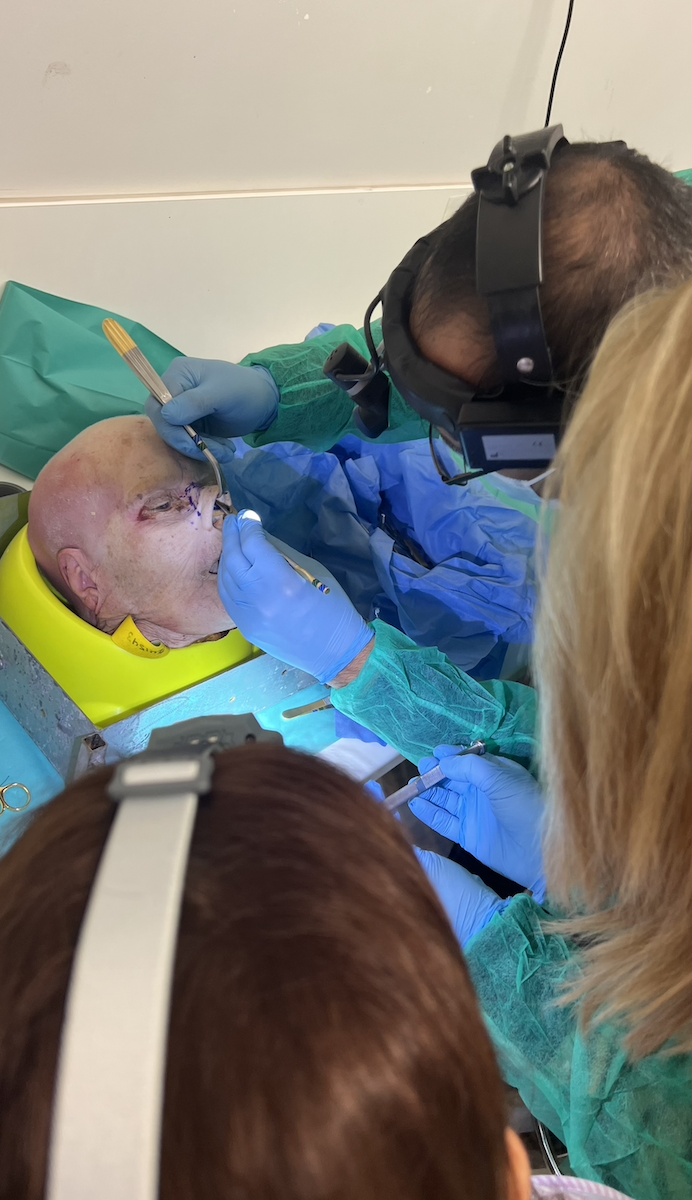
Meeting Overview
The cadaver dissection course held on 21–22 January 2022 in Alexandroupolis was organized within the framework of the Interinstitutional Postgraduate Programme in Rhinology and Rhinosurgery.
The course included parallel cadaver-based training in rhinoplasty and endoscopic surgery, providing a structured environment for practical surgical education, anatomical study and supervised surgical teaching.
This invited faculty page documents participation in the rhinoplasty training component of the course as part of a broader academic surgical programme and serves as part of the site’s evidence-based archive of external faculty activity.
Quick Facts
Meeting
Cadaver Dissection Course
Date
21–22 January 2022
Rhinoplasty component
Cadaver-based practical training
Location
Alexandroupolis, Greece
Academic framework
Interinstitutional Postgraduate Programme in Rhinology and Rhinosurgery
Role
Invited faculty
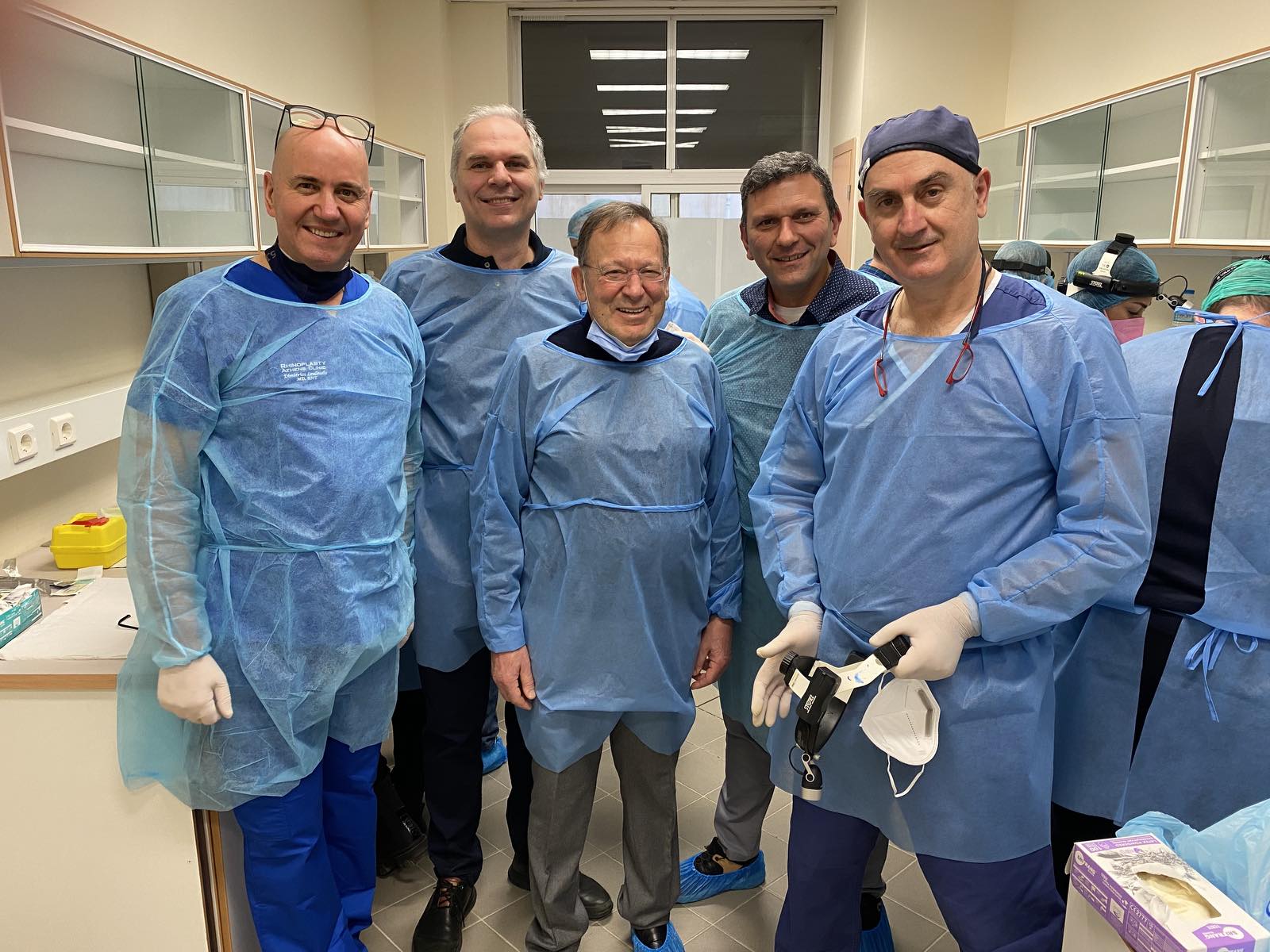
Scientific Context
Cadaver dissection courses play a central role in advanced surgical training by allowing detailed anatomical study, faculty-led procedural demonstration and hands-on practice under realistic operative conditions.
In rhinoplasty, cadaver-based education supports a deeper understanding of nasal anatomy, technical precision and operative sequencing. These courses are especially valuable because they link theory with practical faculty-supervised surgical teaching.
Within the wider structure of this site, the Alexandroupolis course supports the documentation of invited external teaching roles and complements the pages dedicated to university-based cadaver education in Patras and other academic settings.
Invited Faculty Role
Dr George Mireas participated as invited faculty in the rhinoplasty section of the cadaver dissection course.
His contribution included:
- participation in faculty-led practical cadaver training
- rhinoplasty-focused surgical teaching within the dissection environment
- integration into the official faculty structure of the course
- contribution to a broader academic postgraduate surgical programme
Host Meeting Context
Meeting scope
Cadaver Dissection Course
Academic framework
Interinstitutional Postgraduate Programme in Rhinology and Rhinosurgery
Practical sections
Rhinoplasty and endoscopic surgery
Course format
Faculty-led cadaver training and surgical education
Programme Contribution
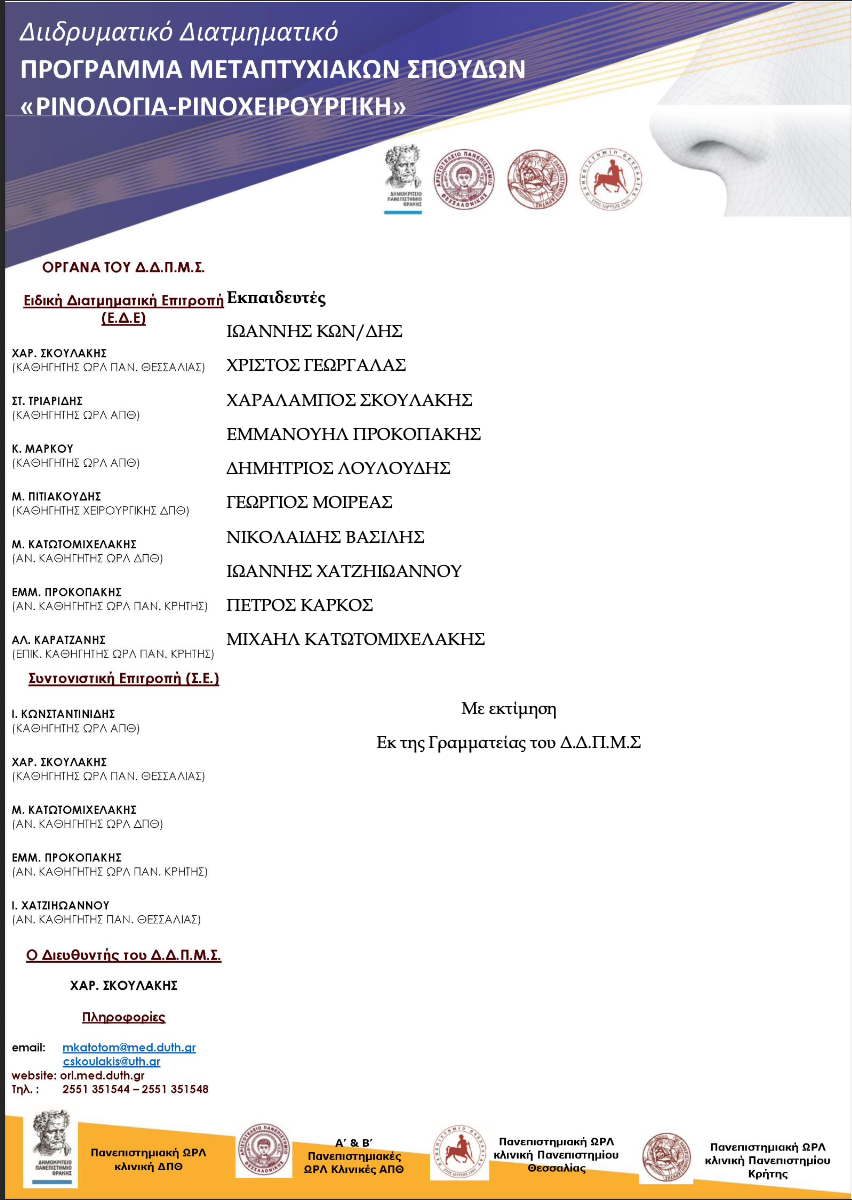
The official programme records Dr George Mireas within the instructors of the cadaver dissection course and documents the rhinoplasty training sessions conducted during the meeting in Alexandroupolis.
Documented role
- Invited faculty in rhinoplasty cadaver training
- Listed within the official educational faculty structure of the course
Educational context
- cadaver-based surgical teaching
- rhinoplasty-focused practical training
- postgraduate academic programme in rhinology and rhinosurgery
Selected Moments from the Course
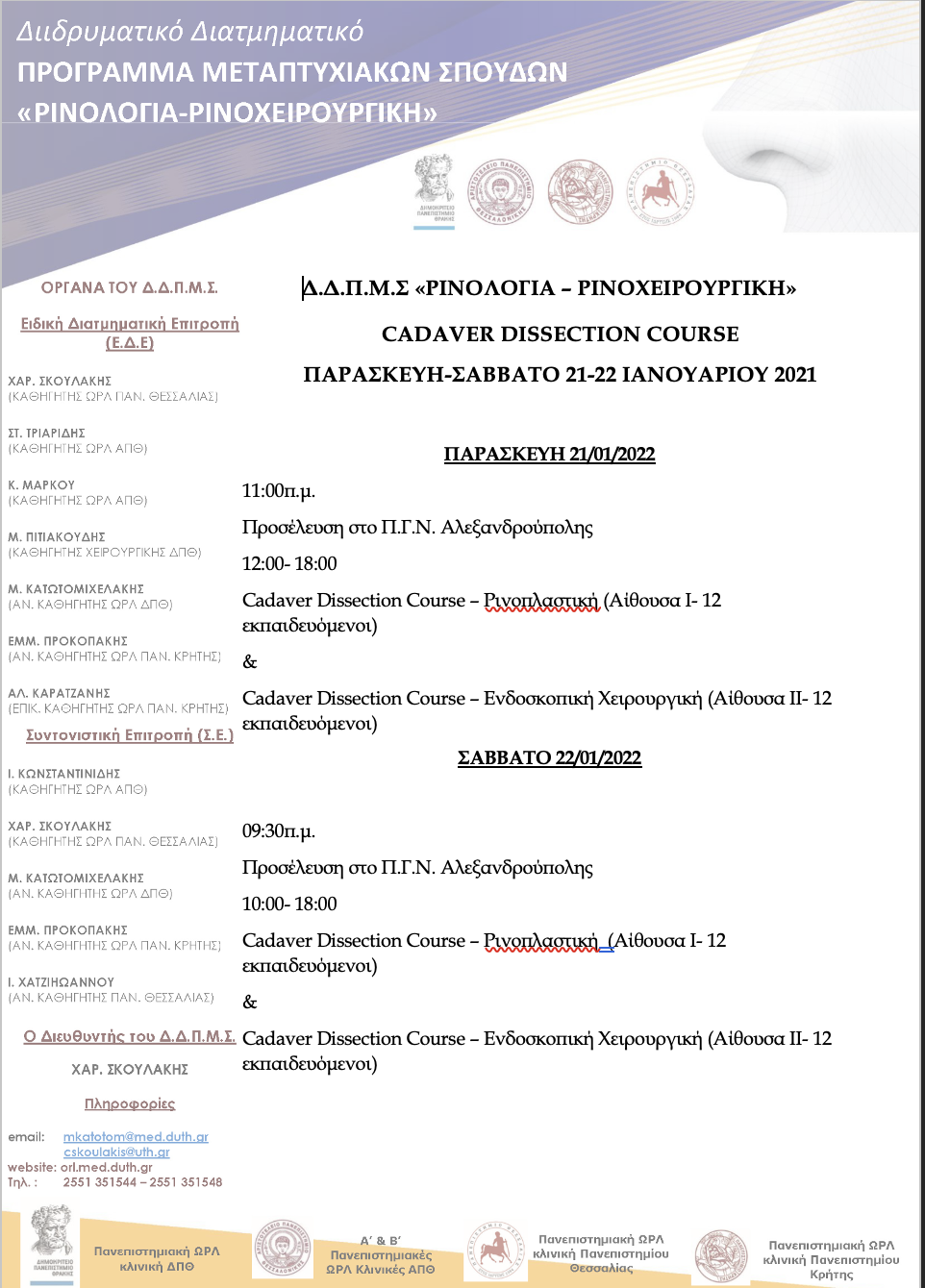
Official Programme Record
The official scientific programme documents the institutional and academic framework of the course and provides formal evidence of the meeting dates, cadaver training structure and the faculty involved in the rhinoplasty and endoscopic surgery sessions.
For invited faculty pages, this documentary layer is important because it complements the photographic record by showing that participation is also recorded in the official programme of the host academic meeting.
Together with the event images on this page, the programme strengthens the academic record of external teaching activity and invited participation in recognized cadaver-based surgical education.
- official course title
- meeting dates and location
- rhinoplasty cadaver training schedule
- faculty and instructors list
- broader academic course structure
How This Page Fits in the Site
This page belongs to the invited faculty branch of the cadaver course structure and should be read as part of a broader academic archive documenting external teaching invitations, participation in host institutions’ surgical programmes and contribution to rhinoplasty-focused cadaver education.
It connects directly with the site’s wider sections on cadaver courses, education, invited faculty rhinoplasty training and the broader professional page of Dr George Mireas.
Together, these pages create an evidence-based academic layer documenting not only university-based courses in Patras but also invited faculty participation in other academic cadaver training settings such as this Alexandroupolis course.
Related Workshop Editions
Academic Training Enquiries
For academic collaborations, invited teaching roles, cadaver training participation and broader surgical education context, visit the relevant academic sections of the site or use the contact page.
Go to Contact Page