
Surgical Exposure in Rhinoplasty
The Athens ERM – EAFPS pathway offers meaningful exposure to contemporary rhinoplasty through active clinical practice, live surgery and case-based tutor discussion within a high-volume setting.
Rather than isolated technical demonstrations, scholars are exposed to the full logic of rhinoplasty decision-making, including case selection, operative planning, graft strategy and postoperative evaluation.
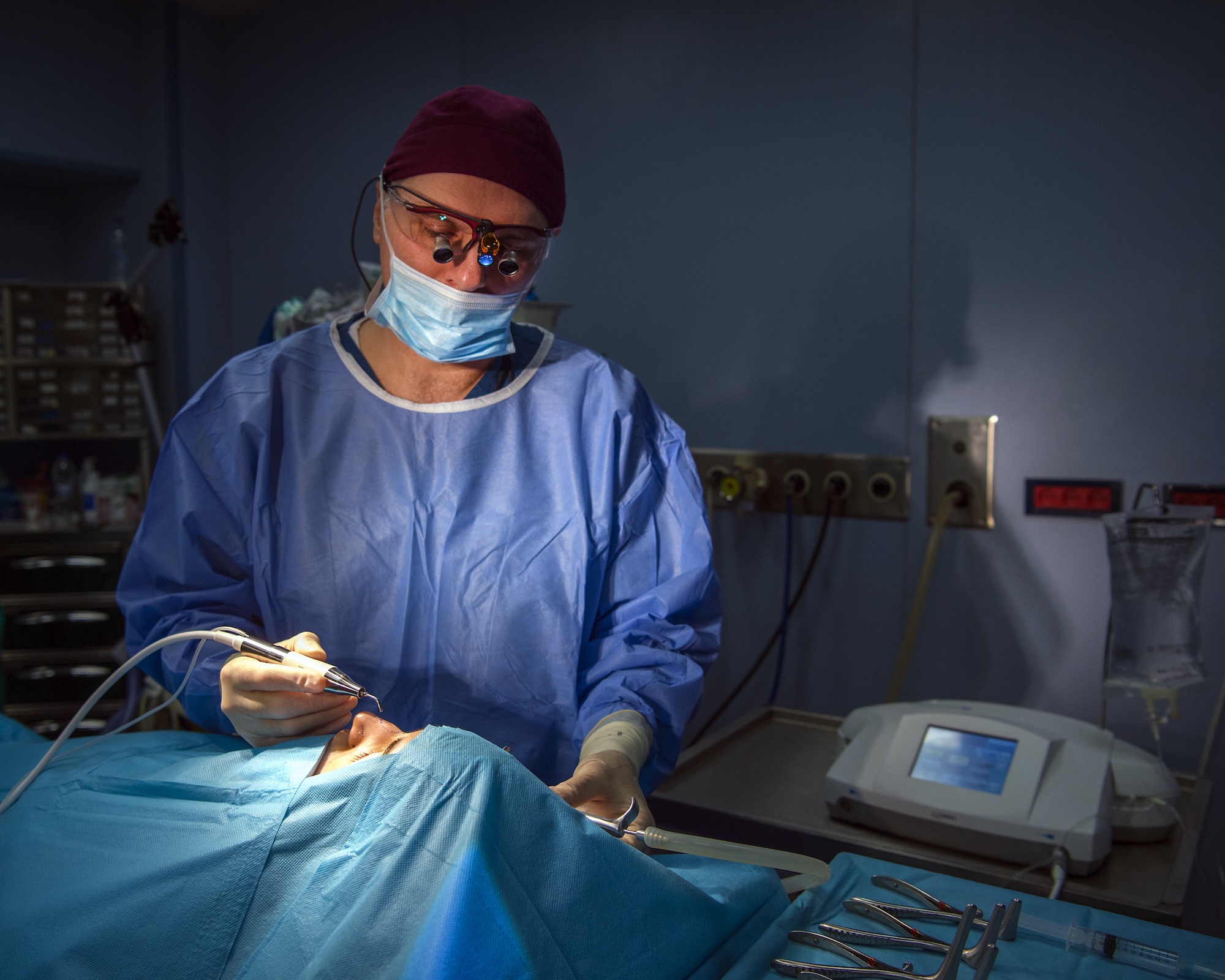
Overview of Surgical Exposure
Training with Dr George Mireas in Athens is built around a real rhinoplasty practice with approximately 150 procedures per year. This creates exposure to a wide spectrum of surgical indications, anatomical problems and operative strategies.
Exposure is not limited to simple primary cases. Scholars are also introduced to revision surgery, structural grafting, preservation rhinoplasty and complex decision-making in difficult noses.
The emphasis is on understanding why a surgeon selects a specific approach, not simply on observing a sequence of operative steps.
Case Mix
Total annual volume:
~150 rhinoplasties
Primary cases:
~100
Revision cases:
~50
Approach mix:
~2/3 open, ~1/3 closed
Technique mix:
~1/3 preservation, ~2/3 structural
Spectrum of Cases & Techniques
Primary Rhinoplasty
Scholars are exposed to routine primary cases involving dorsal work, tip refinement, septal work and aesthetic-functional planning.
Revision Rhinoplasty
Complex secondary cases introduce advanced thinking around scarred tissues, deficient support, grafting and long-term structural reconstruction.
Open & Closed Surgery
Exposure includes both open and closed rhinoplasty, allowing scholars to understand the indications, limitations and tactical advantages of each.
Preservation & Structural Approaches
The case mix includes preservation rhinoplasty as well as structural strategies, demonstrating how technique selection varies by anatomy and goals.
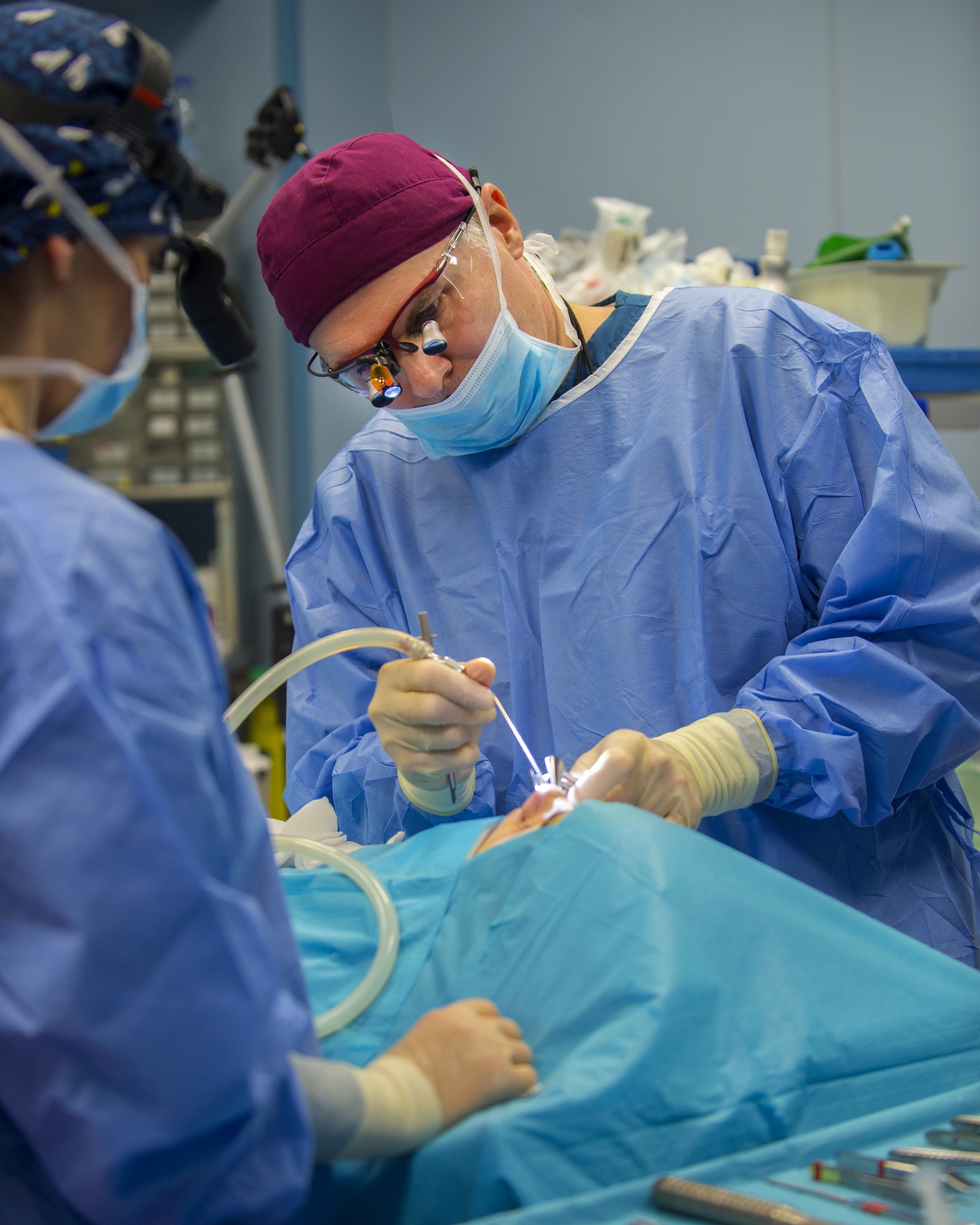
What Scholars Actually Observe
Exposure in the operating room includes patient preparation, approach selection, dorsal and tip work, graft harvesting, graft shaping, fixation strategies and intraoperative adaptation when findings differ from preoperative expectations.
Equally important, scholars observe how decisions are made: when to preserve, when to reconstruct, when to graft, when to reduce and when to avoid overcorrection.
Explore the full training path →Powered Instrumentation & Planning Tools
Surgical exposure in Athens includes contemporary tools used in modern rhinoplasty practice, such as ultrasonic piezo, powered burrs and 3D simulation-based preoperative planning.
These are presented within the context of real indications and surgical logic, helping scholars understand not only the technology itself, but when and why it is used.
Return to program overview →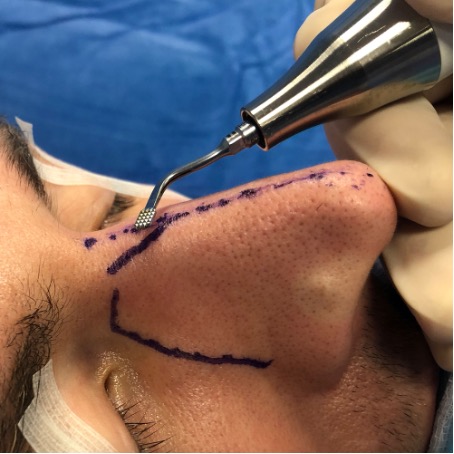
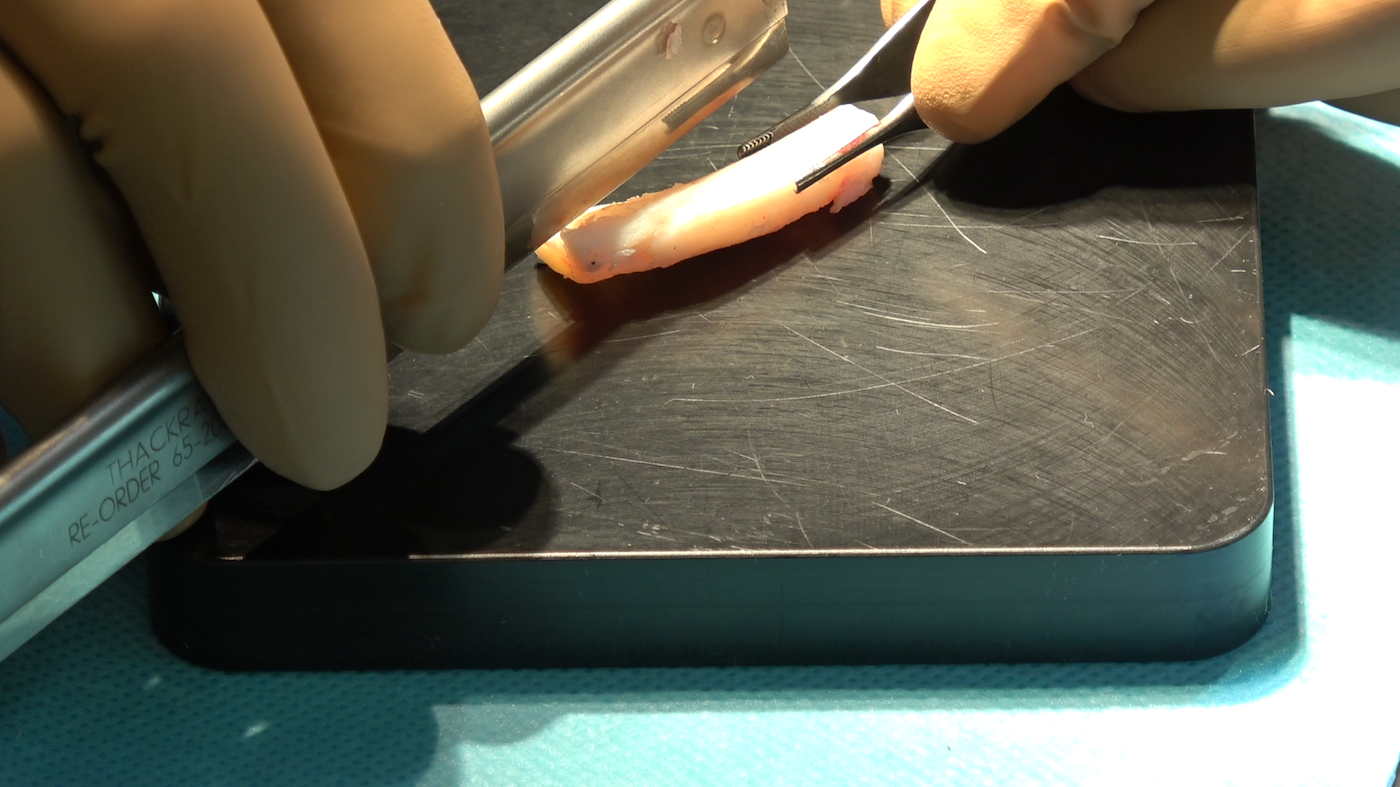
Rib Grafting
Selected revision cases may require rib cartilage grafts for structural reconstruction and long-term stability.
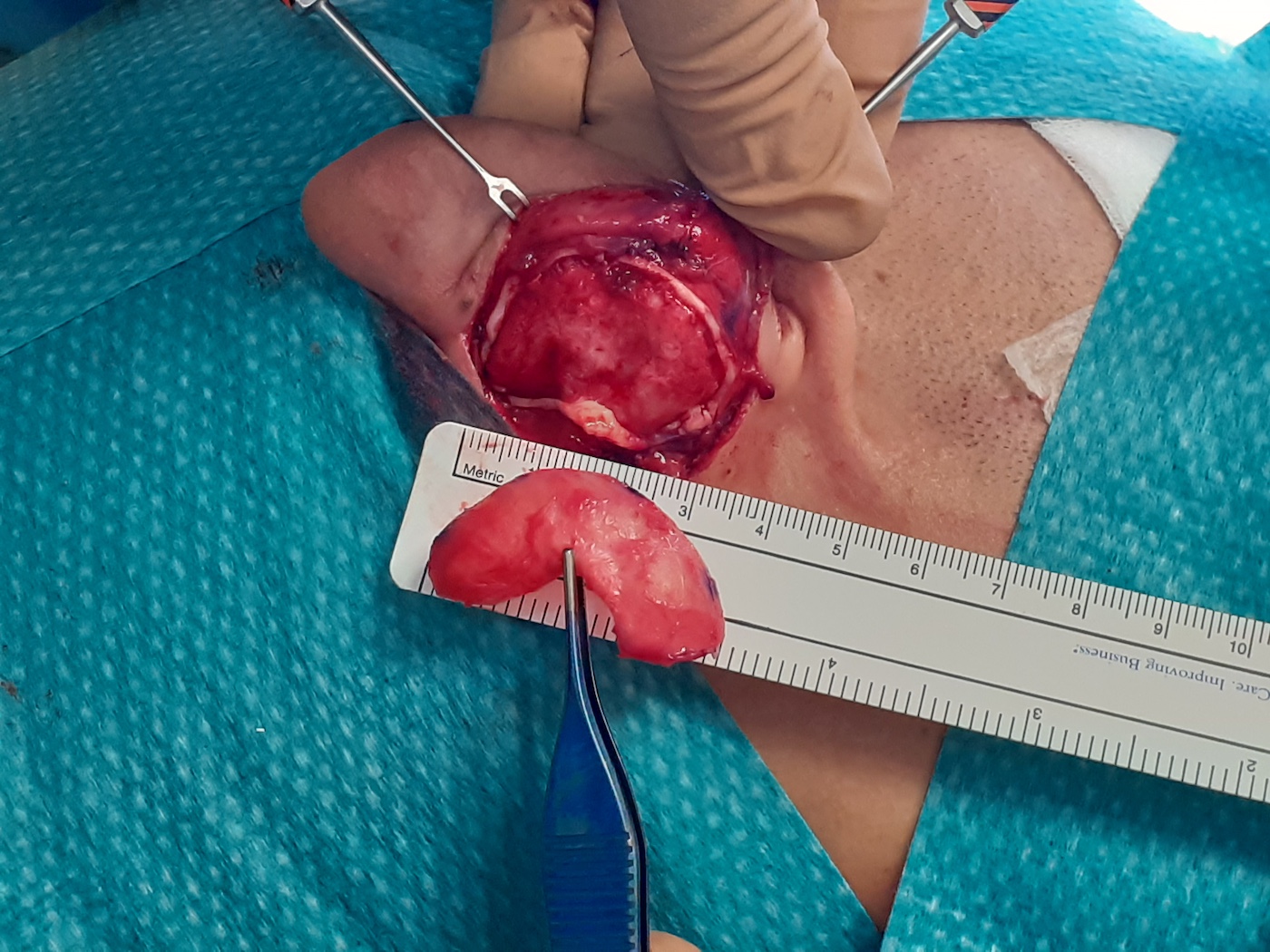
Auricular Cartilage
Ear cartilage grafts are demonstrated in cases where soft but useful structural support is required.
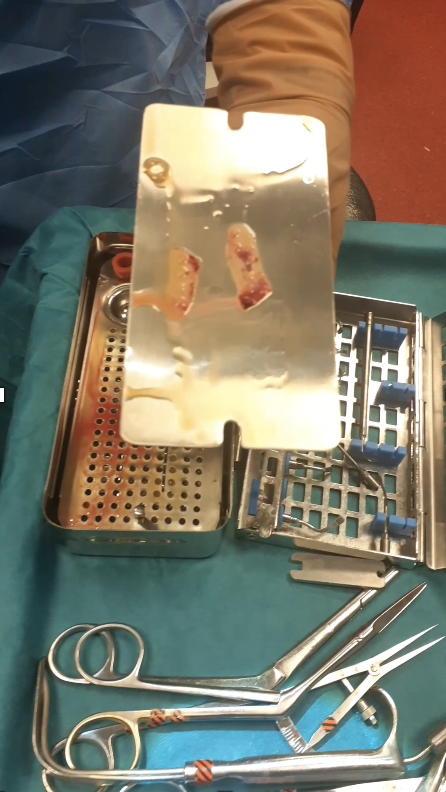
PRF Adjuncts
Regenerative techniques such as PRF may be used in selected difficult cases, especially revision surgery and compromised soft tissue.
Educational Value of This Exposure
Surgical exposure within the ERM – EAFPS pathway is valuable not only because of case numbers, but because it is embedded within tutor-led interpretation and critical surgical reasoning.
Scholars are encouraged to understand how anatomy, indication, technique and healing interact in real rhinoplasty practice. This transforms passive observation into meaningful surgical education.
The result is a deeper understanding of modern rhinoplasty as a discipline that combines aesthetics, function, structure and long-term planning.
Your Training Path
Explore how the scholar experience is structured in Athens, from consultation and planning to live surgery and postoperative evaluation.
View training path →Participation & Enquiries
If you are considering participation in the Athens ERM center, the next step is to request details about planning, availability and requirements.
Contact the center →Explore Modern Rhinoplasty Training in Athens
Review the surgical spectrum, understand the educational model and contact the Athens ERM – EAFPS center for further information.
Apply / Enquire Eligibility