
Training Pathway
A progressive, structured pathway guiding the fellow from clinical observation to supervised surgical participation, academic engagement and increasing professional responsibility.
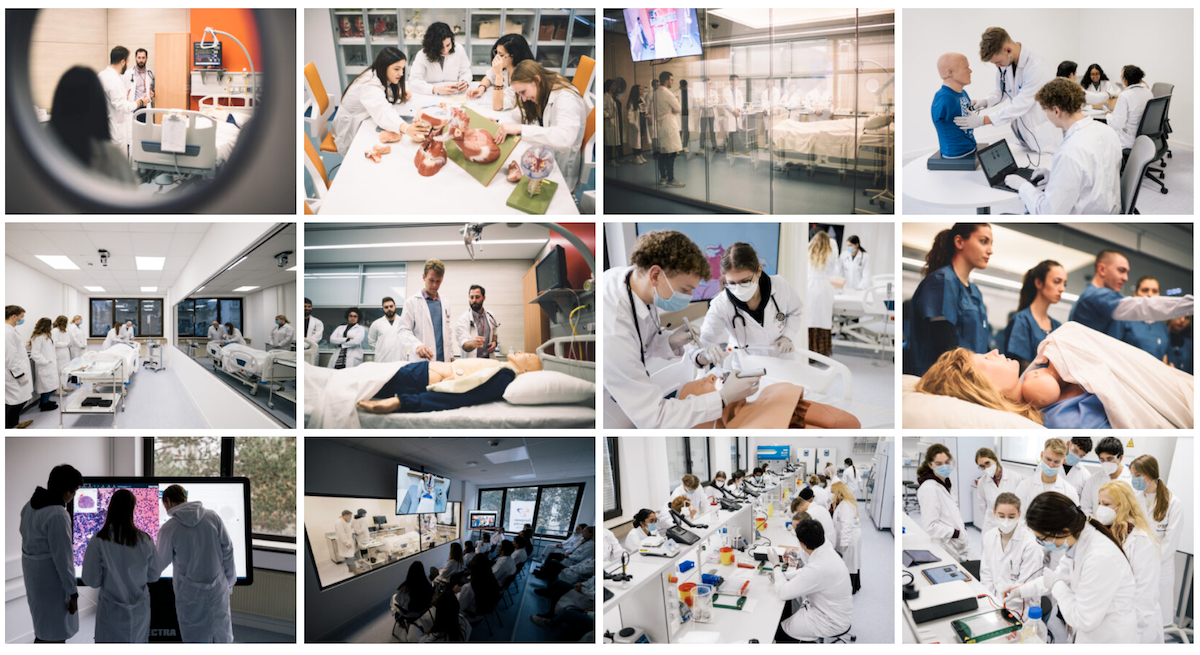
The fellowship follows a stepwise progression model designed to support safe, structured development in facial plastic, reconstructive and aesthetic surgery. The pathway combines supervised clinical immersion, graded operative exposure, formal teaching and research participation within a postgraduate educational framework.
Rather than functioning as a purely observational attachment, the program is built around progressive involvement. Fellows develop through repeated exposure to patient evaluation, perioperative planning, operating room participation, post-operative care, case discussion and academic activity. This pathway should be read alongside the pages on Surgical Exposure, Training Sites and the broader Surgical Training section.
Advancement within the training pathway depends on prior experience, demonstrated competence, professionalism, communication skills and faculty supervision.
Clinical Practice
Outpatient consultations, patient assessment, perioperative management, follow-up and real-world clinical decision-making.
Surgical Training
Graduated participation in procedures with increasing responsibility according to competence, preparation and faculty guidance.
Academic Teaching
Structured lectures, case-based discussions, anatomy-related education and theoretical reinforcement throughout the year.
Research Activity
Participation in clinical research, scholarly work and academic output as part of a complete fellowship-level experience.
Progressive Training Model
Observation
Introduction to the clinical environment, workflow, patient pathways, case planning and operative structure.
Assisted Participation
Structured participation in consultations, perioperative preparation and supervised involvement in procedures.
Supervised Execution
Selected procedural tasks and increasing hands-on responsibility according to training level and faculty assessment.
Advanced Integration
Deeper participation in case planning, decision-making, operative strategy and comprehensive patient management.
Typical Weekly Structure
• Operating room participation
• Outpatient clinics and patient assessment
• Pre-operative planning and post-operative follow-up
• Case discussions and academic teaching sessions
• Independent preparation, reading and research-related work
Educational Support Elements
• Anatomy-based teaching
• Simulation and skills-based exposure
• Mentorship from fellowship faculty
• Exposure to diverse clinical environments
• Integration of clinical, surgical and academic development
Training Pathway Principles
The fellowship pathway is competency-based and grounded in patient safety, professionalism, ethical clinical practice and close faculty supervision. Progress is not determined by time alone, but by the fellow’s readiness to participate responsibly within the clinical and operative environment.
This structure allows the fellow to build judgment, technical familiarity and academic maturity within a demanding but supportive postgraduate training model. For a fuller overview of the educational framework, see also the main Fellowship Program page and the Fellowship Experience page.
Continue Exploring the Fellowship
Review surgical exposure, training sites and eligibility criteria to understand how the fellowship is structured in practice.
Surgical Exposure Training Sites Eligibility Apply