
Curriculum & Academic Structure
A structured, progressive curriculum integrating clinical practice, surgical training, academic teaching and research within a cohesive educational framework.
The fellowship follows a structured training model designed to guide fellows from observational learning to active surgical participation and advanced clinical decision-making.
This curriculum is delivered across multiple training sites and clinical environments, ensuring integration between theoretical education and practical surgical experience.
The structure combines clinical exposure, surgical training, academic teaching and research activity into a unified educational pathway.
Core Components of the Program
Clinical Practice
Patient evaluation, outpatient consultations and perioperative management.
Surgical Training
Stepwise participation in procedures with increasing responsibility.
Academic Teaching
Lectures, structured sessions and case-based discussions.
Research Activity
Participation in scientific work and academic publications.
Progressive Training Model
The curriculum is designed to progressively increase the fellow’s level of clinical and surgical involvement.
- Observation and assisted participation
- Structured involvement in procedures
- Supervised surgical execution
- Advanced decision-making and case planning
Weekly Structure
- Operating room participation
- Outpatient clinics
- Case discussions
- Academic teaching sessions
- Independent study and preparation
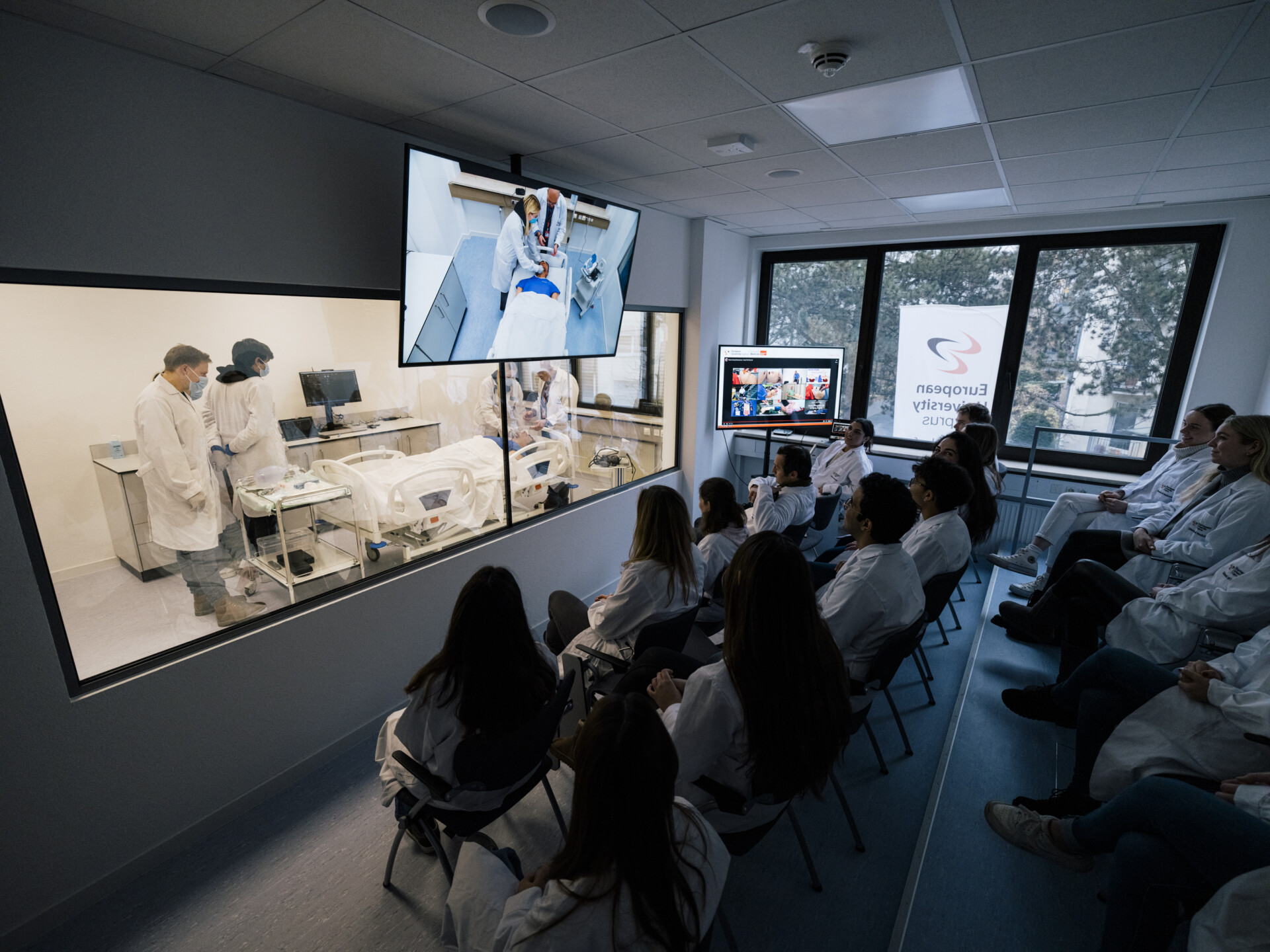
Learning Environment
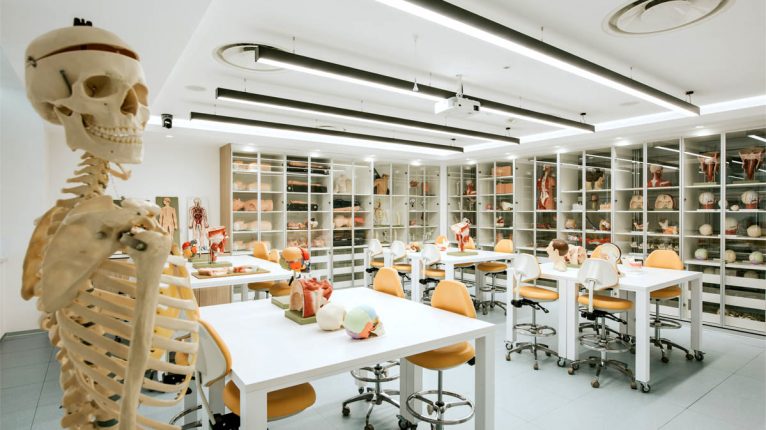
Anatomy Training
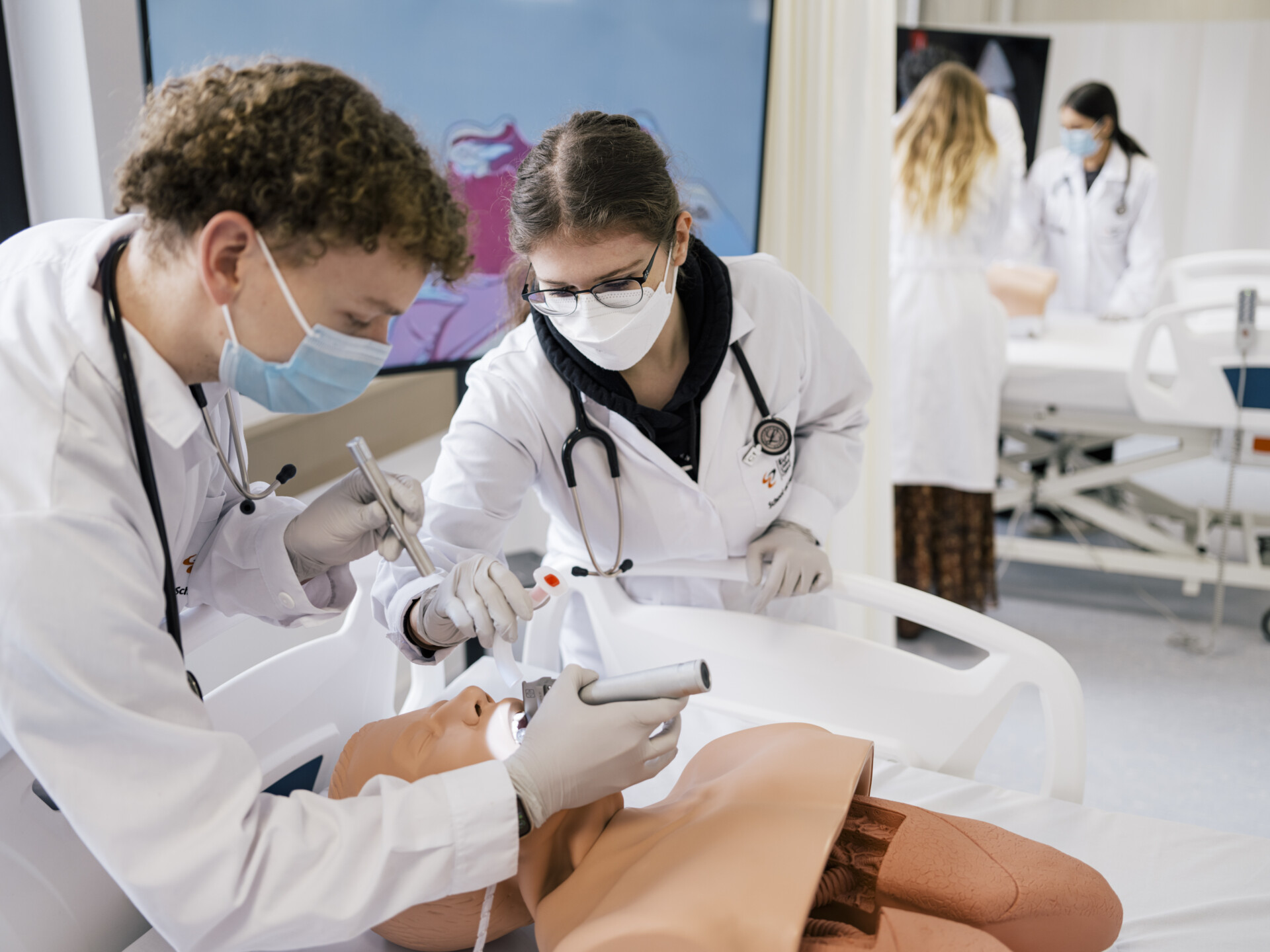
Simulation Practice
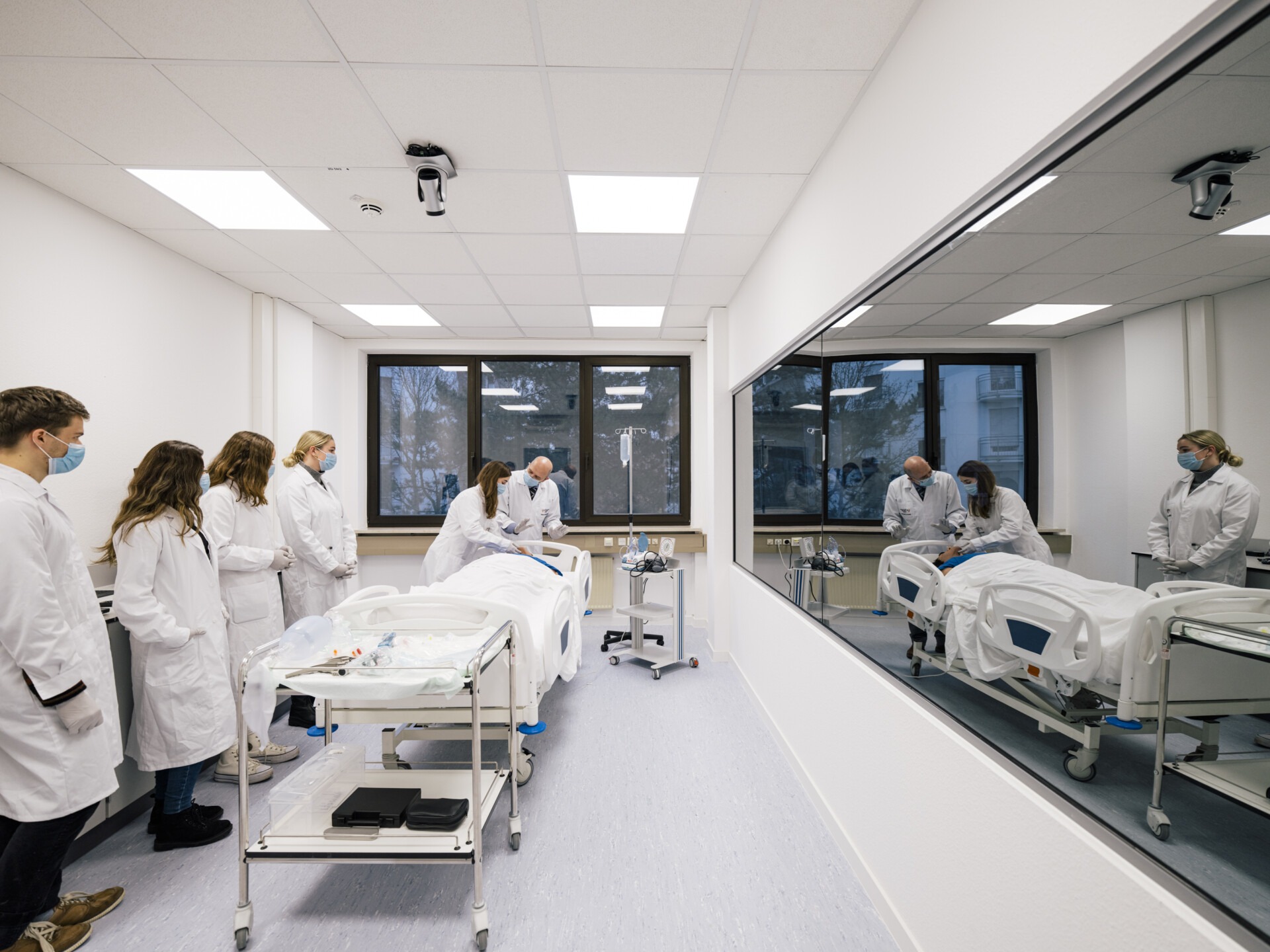
Clinical Training
Integration with Surgical Training
The curriculum is closely connected with the broader surgical training structure, ensuring that theoretical knowledge is continuously translated into clinical and operative experience.
This integration allows fellows to develop both technical skills and clinical judgment within a consistent educational framework.
Institutional Academic Direction
The curriculum is progressively aligned with the academic vision of the Hellenic Institute of Facial Plastic Surgery (HIFPS), aiming to establish a structured and internationally recognizable educational framework.
Within this direction, training pathways, academic teaching and clinical experience are integrated into a unified educational model in rhinoplasty and facial plastic surgery.