
Participation
The fellowship is built on active participation across clinical practice, surgical training, academic teaching and research-related activity.
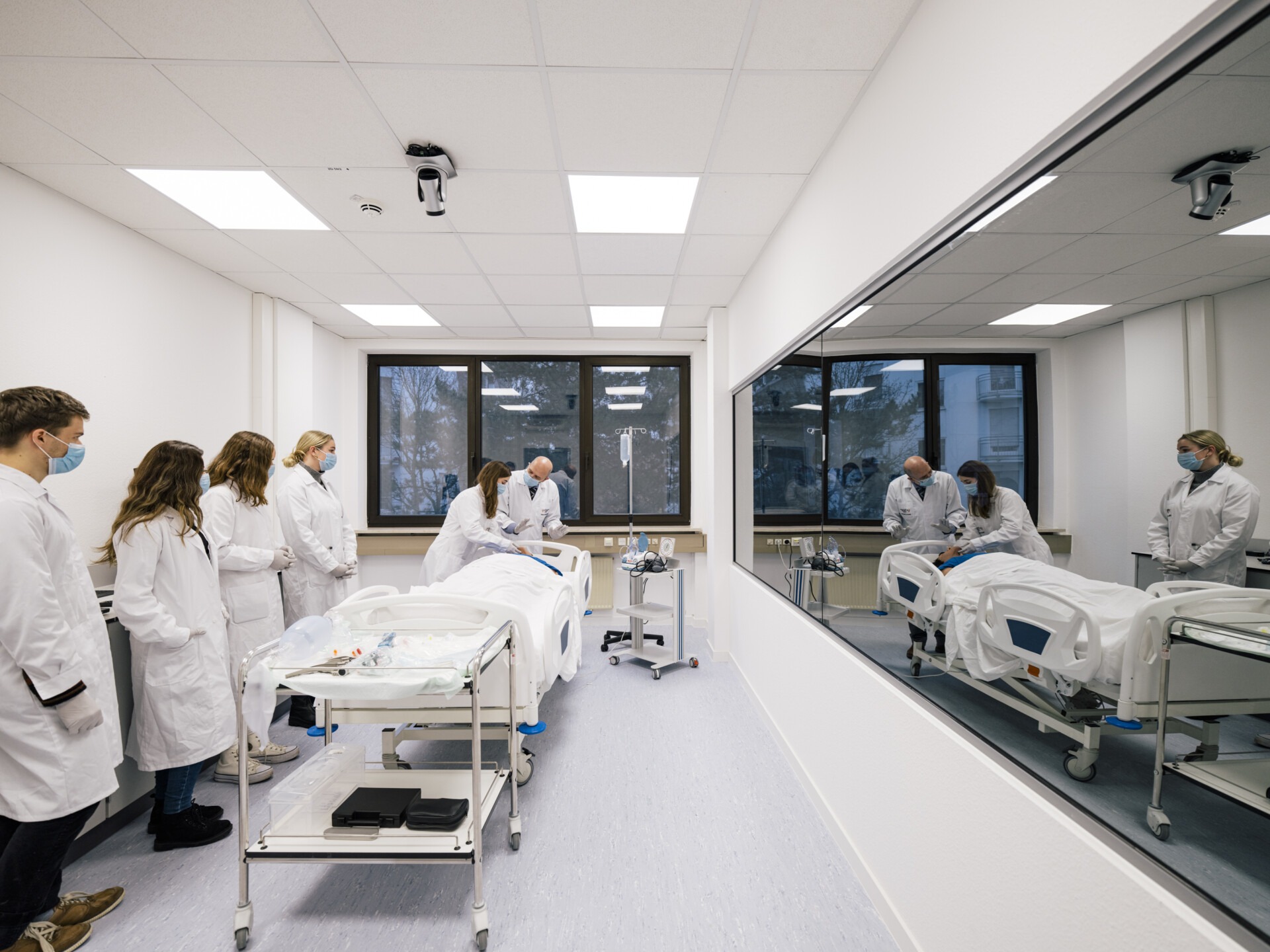
Fellows are expected to engage consistently in the full educational life of the program. Participation extends beyond attendance and includes involvement in patient care, perioperative preparation, operating room activity, academic sessions, case discussions and ongoing professional development.
Because the fellowship operates within a mentorship-based and supervision-focused structure, participation is progressive and tailored to training level, prior background and demonstrated readiness. Applicants can better understand this framework by also reviewing Training Pathway, Surgical Exposure and Training Sites.
The goal is to create an immersive fellowship experience that supports both technical growth and professional maturity.
Clinical Participation
Outpatient consultations, patient evaluation, treatment planning, perioperative care and post-operative follow-up.
Operative Participation
Observation, assisted participation and selected supervised operative responsibility according to progression and faculty guidance.
Academic Participation
Teaching sessions, case reviews, anatomy-related education, presentations and broader academic engagement throughout the year.
Participation Expectations
Consistency and punctual engagement across scheduled fellowship activities
Professional conduct within clinical, academic and operative settings
Preparedness for case discussion, learning sessions and supervised responsibilities
Commitment to patient safety, teamwork and ethical clinical practice
Multi-Site Participation
Participation takes place across different clinical and academic environments, allowing fellows to experience varied patient populations, workflows and surgical settings.
This model supports broader exposure and a more complete understanding of contemporary facial plastic surgery practice.
Mentorship-Based Environment
Fellows work closely with faculty members in a setting that encourages progressive responsibility, constructive feedback and ongoing professional development.
Participation therefore includes not only technical learning, but also growth in judgment, communication and career direction. See also the Faculty and Experience pages.
Who Thrives in This Environment
The fellowship best suits surgeons who are motivated, disciplined and ready to contribute actively to a structured training program. Fellows benefit most when they approach the year with curiosity, consistency, strong ethics and willingness to participate fully in both clinical and academic work.
Active participation is considered a central part of the educational value of the fellowship and an important element of successful progression through the program. Those reviewing the broader context may also wish to visit the main Fellowship Program page and the parent Surgical Training hub.
Explore the Fellowship in More Detail
Review the training pathway, fellowship experience and application process to understand the full scope of participation.
Training Pathway Fellowship Experience Apply Certification