
Facial Plastic Surgery Fellowship
This fellowship is designed for qualified surgeons seeking structured, high-level clinical and academic exposure in facial plastic surgery through a multi-site educational model spanning Cyprus, Athens and affiliated international clinical environments.
The program combines supervised clinical training, progressive surgical participation, academic teaching and research mentorship within an international postgraduate framework.
Program Overview
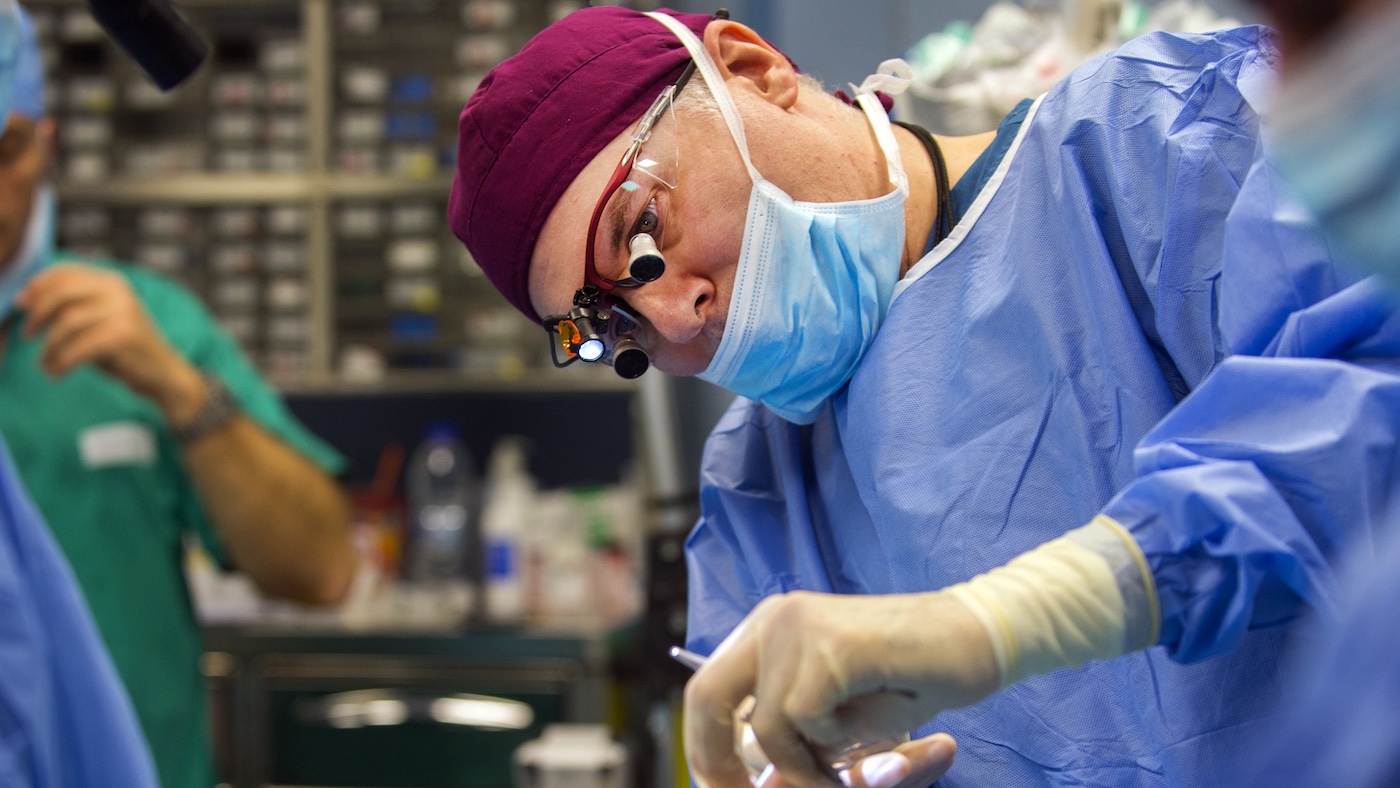
The Facial Plastic Surgery Fellowship is a one-year postgraduate training program focused on facial plastic, reconstructive and aesthetic surgery. It is intended for qualified surgical graduates seeking a structured pathway that combines clinical immersion, operative exposure and formal academic development.
Fellows participate in outpatient care, pre-operative assessment, surgical planning, operative assistance and supervised participation, post-operative follow-up and multidisciplinary case discussion. The training philosophy is competency-based and emphasizes patient safety, surgical judgment, progressive responsibility and ethical clinical practice.
The fellowship also includes structured teaching sessions, anatomy-related education, coursework and research expectations, creating an integrated academic and clinical experience rather than a purely observational attachment.
Quick Facts
Duration:
12 months
Format:
Clinical, surgical and academic fellowship
Training model:
Cyprus, Athens and affiliated international exposure
Typical procedural exposure:
Approximately 300–400 facial procedures
Typical Surgical Exposure
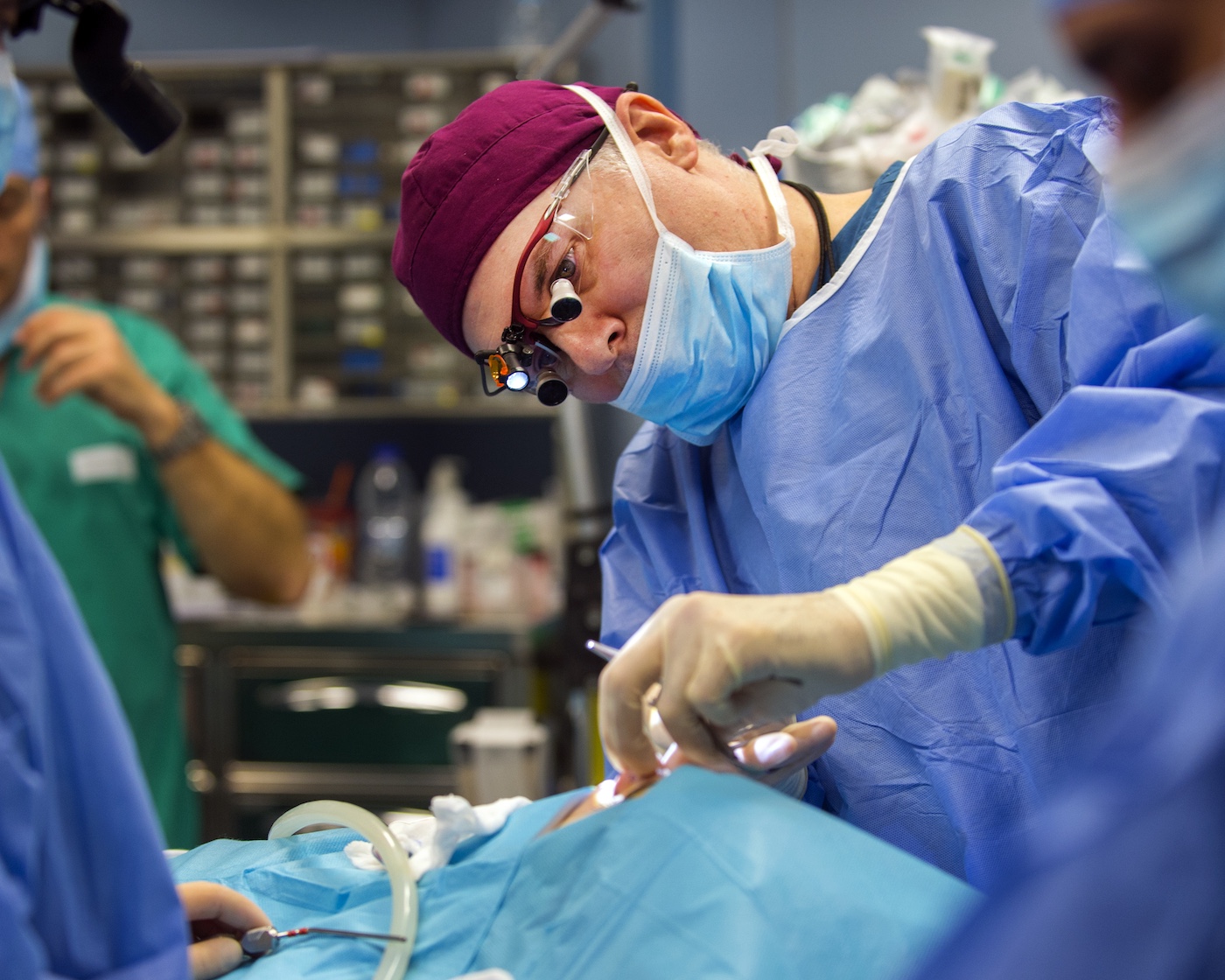
Based on previous fellowship logbooks, trainees participating in the 12-month program may be exposed to approximately 300–400 facial surgical procedures, allowing progressive development of operative judgment and technical familiarity.
- 50–70 rhinoplasty and septorhinoplasty procedures
- 150–200 eyelid procedures, including blepharoplasty
- 80–100 facelift and neck lift procedures
- 40–60 facial fat grafting procedures
- 15–25 otoplasty procedures
- Additional reconstructive and maxillofacial exposure including facial trauma and scar revision
Training Structure
Clinical Training
Fellows participate in outpatient clinics, perioperative planning, patient care, follow-up and complication management within supervised clinical settings.
Surgical Training
Training includes facial aesthetic and reconstructive procedures with graduated responsibility according to experience, competence and faculty supervision.
Academic Component
The program includes seminars, case presentations, anatomy teaching, coursework and research participation within a formal postgraduate academic framework.
Clinical Environment
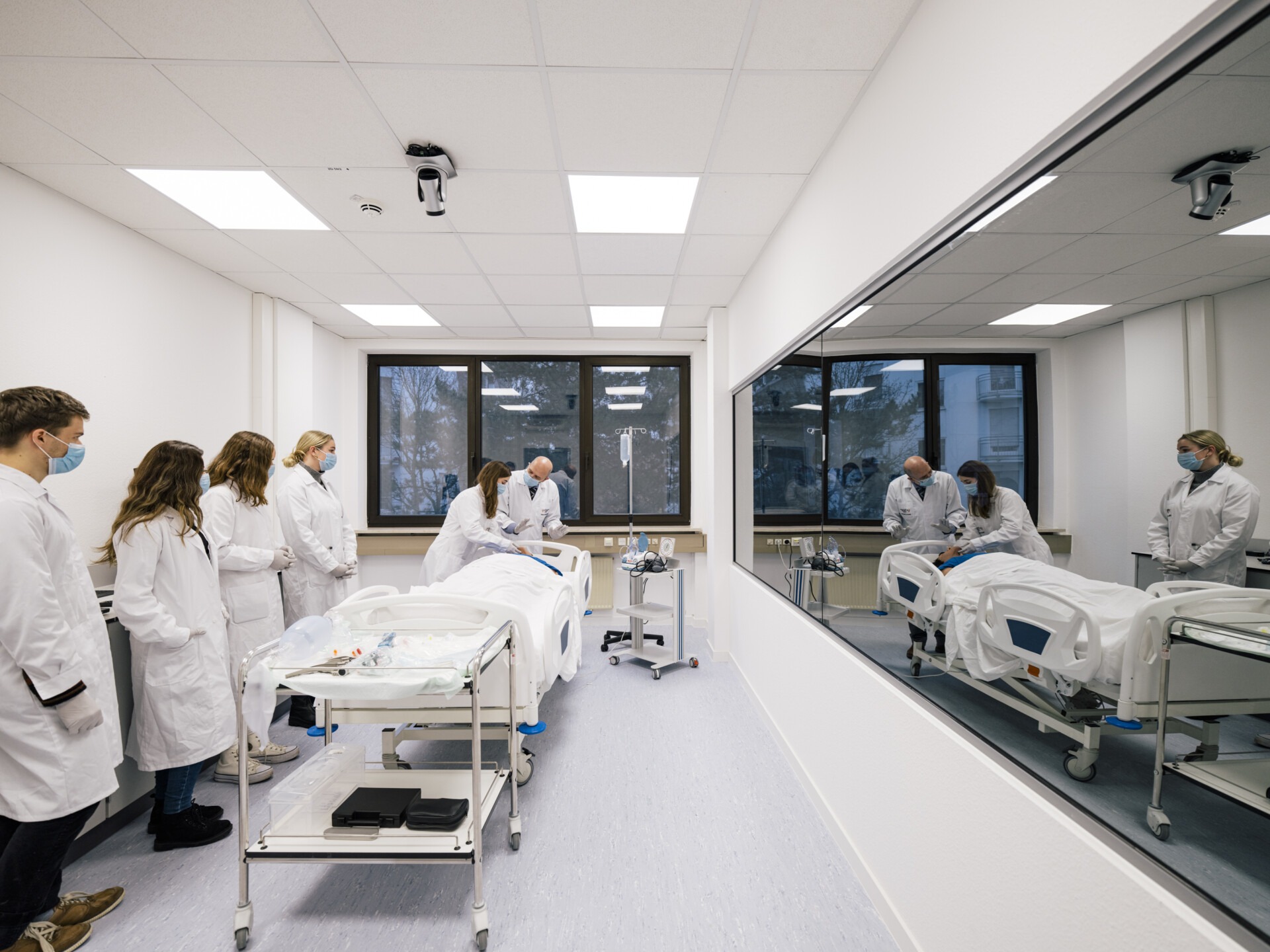
Patient-based clinical teaching supports decision-making, bedside management and perioperative learning.
Simulation & Skills
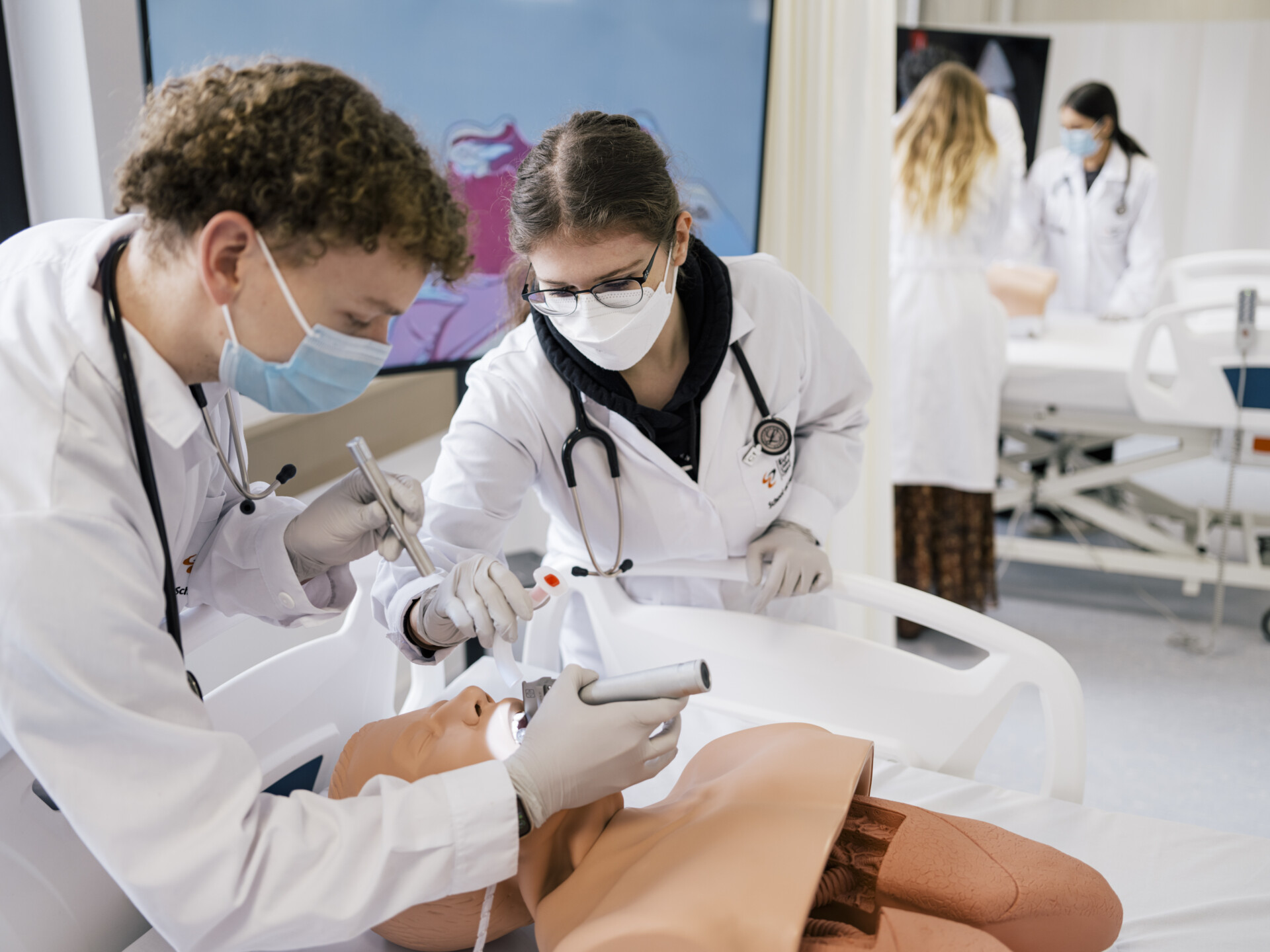
Simulation-based exposure complements clinical learning and supports technical progression in a controlled environment.

Anatomy & Teaching
Anatomy-based education strengthens precision and supports the academic depth expected from fellowship-level training.
Training Sites
Clinical and academic training takes place across multiple affiliated institutions, combining university-based education with specialist facial surgery practice and hospital exposure.
- European University Cyprus School of Medicine
- Cyprus Facial Surgery Center, Nicosia
- Exelixis Medical Institute, Athens
- Affiliated hospitals and surgical centers in Cyprus and Athens
- International collaborating clinical exposure in New York
This multi-site structure allows fellows to experience a broader range of educational settings, patient populations and operative environments.
Explore Training Sites →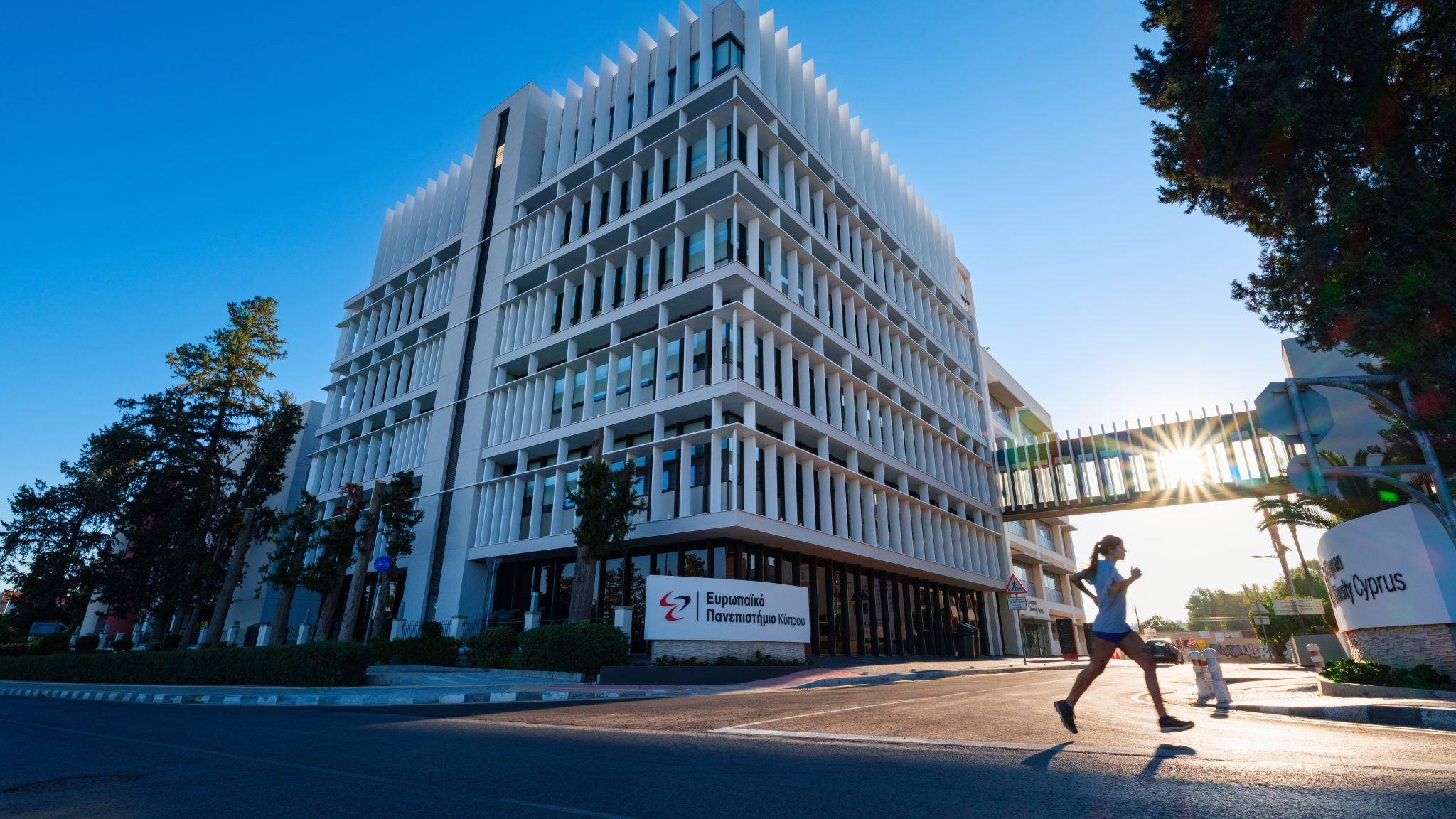
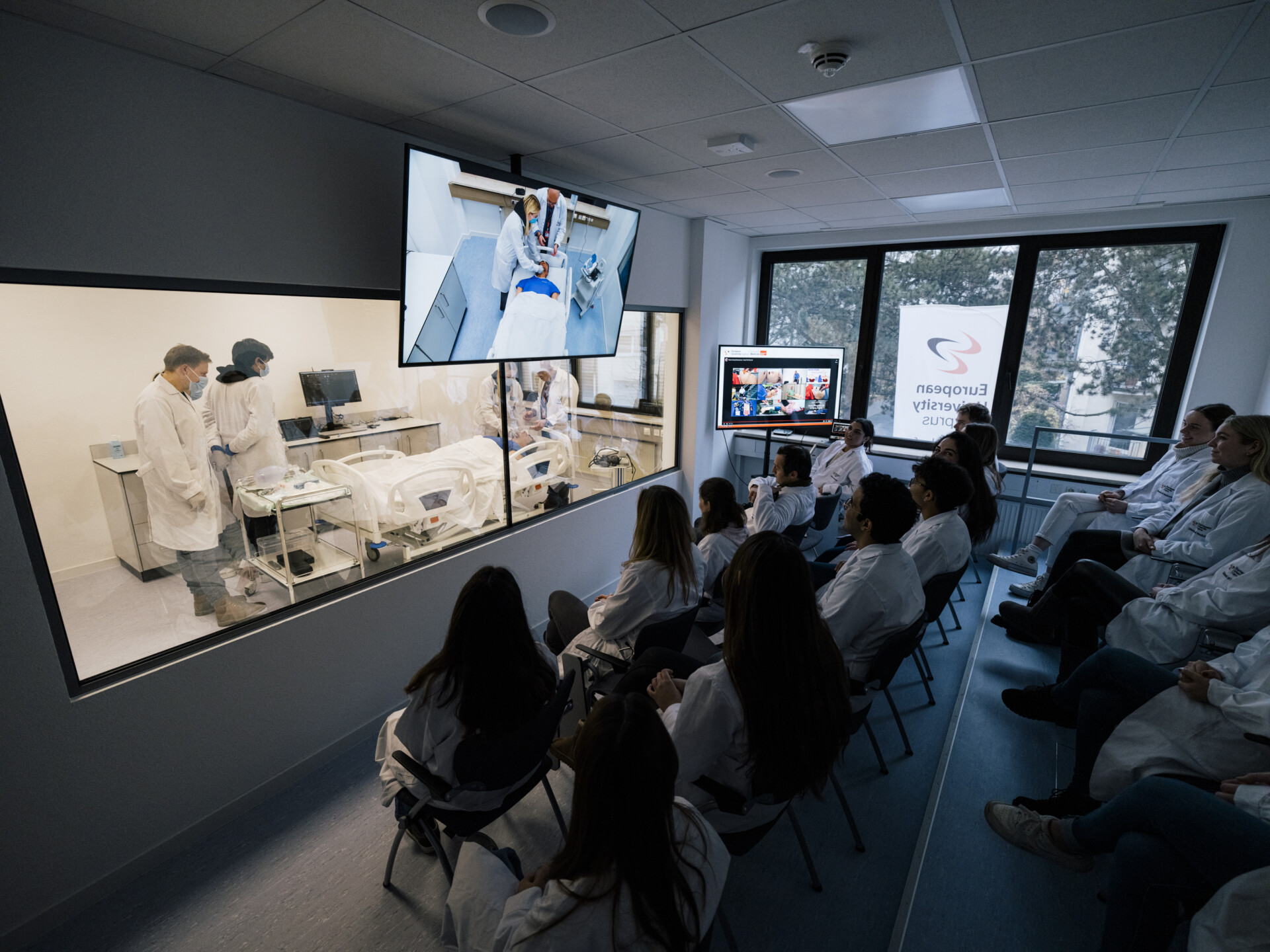
Lecture-Based Teaching
Fellows attend structured teaching sessions, presentations and live educational discussions throughout the academic year.

Anatomy Facilities
Dedicated anatomy facilities support foundational learning relevant to facial surgery and operative planning.
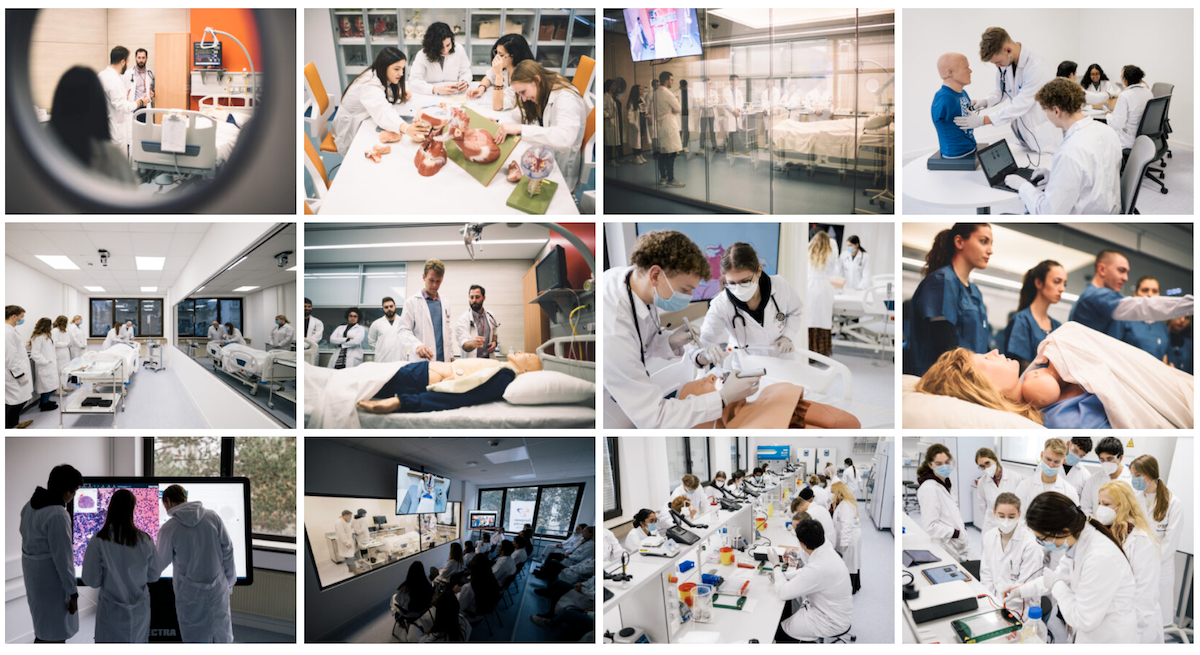
Integrated Educational Setting
The fellowship combines clinical, academic and simulation-based elements within one coordinated training pathway.
Fellowship Leadership
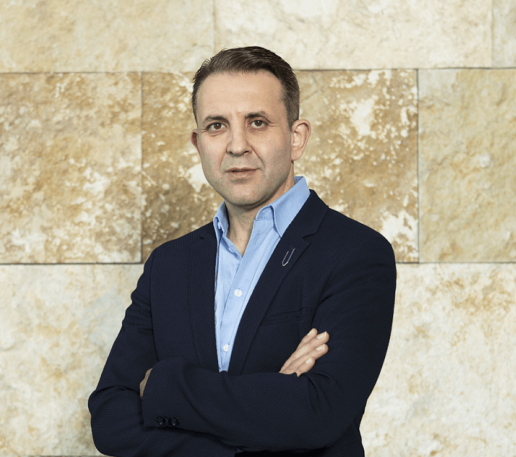
Professor Neophytos Demetriades, MD DDS MSc
Professor, European University Cyprus School of Medicine
Program Director, Plastic & Maxillofacial Surgery
President, Cyprus Association of Facial Cosmetic Surgery
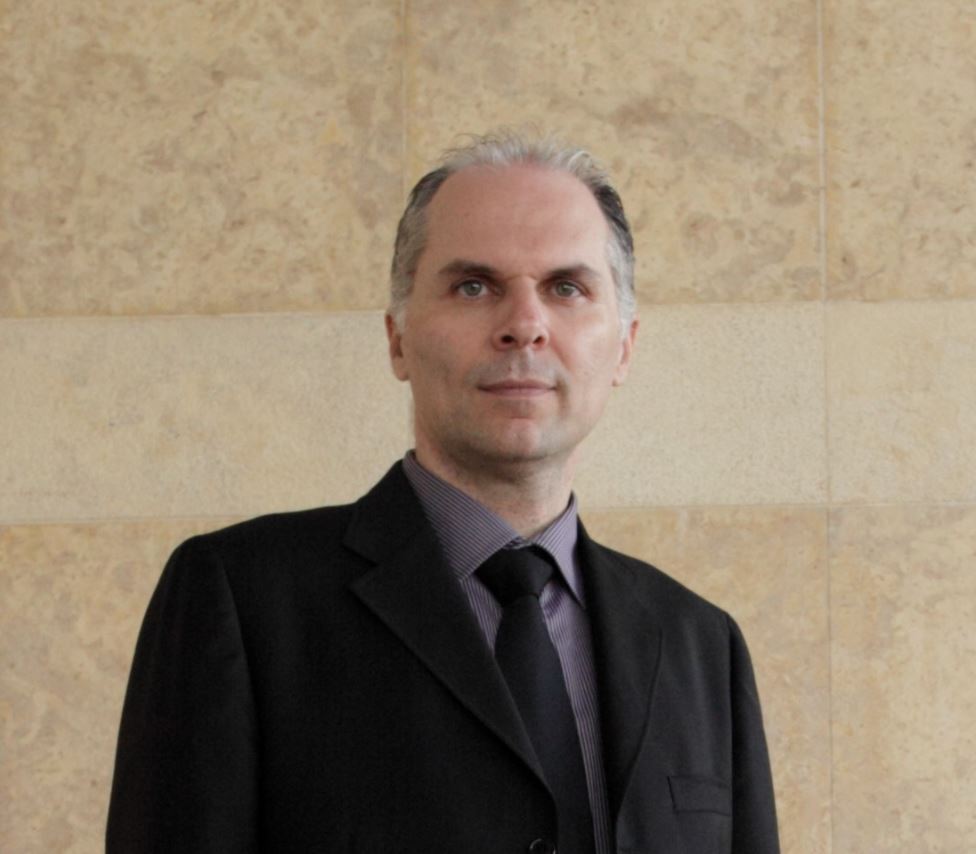
Professor George Mireas, MD PhD
Clinical Associate Professor, European University Cyprus School of Medicine
Facial Plastic & Reconstructive Surgeon, Athens
Director, European Rhinoplasty Masterclass Training Center of EAFPS
Eligibility & Requirements
Applicants should have completed residency training in Otorhinolaryngology, Oral and Maxillofacial Surgery, or Plastic Surgery, or hold an equivalent qualification recognized for temporary or permanent medical licensure in Cyprus or Greece.
Demonstrated proficiency in English is required for clinical communication, academic participation and research activity. Knowledge of Greek is advantageous but not mandatory.
Prior research experience and scholarly activity are considered favorable but are not essential for admission.
Request Information or Start Your Application
Explore the fellowship structure, review the handbook and contact the program to discuss eligibility, timing and application requirements.
Go to Apply Page Download Handbook